skip to main | skip to sidebar
Showing posts with label Langston Hughes. Show all posts

In the broadest sense a symbol is anything which signifies something else. However, in discussing literature, symbol is applied only to a word or set of words that signifies an object or event which itself signifies something else: that is, the words refer to something which suggests a range of things beyond itself.” (Abrams: A Glossary of Literary terms). Symbolism, in a general sense, is the use of imagery so that one object represents something else. “In literature, symbolism is the use of objects or actions to suggest ideas or emotions.” (Coles’ Dictionary of Literary terms). So a poet is a symbolist when he is given to the use of objects or actions to suggest ideas or emotions. 

In the poem, “The Negro Speaks of Rivers”, the “I” or the speaker or the persona of the poem is not the poet himself, nor is he any other person. .The persona stands for or symbolizes the whole race of the Negroes of all times and places of the world. The poet , tries to prove the ancientness of the Negro race, and thereby to protest indirectly against the white Americans’ behaviour with the black Americans as though they were second-class citizens of America. The persona speaks; it symbolizes the whole race of Negroes speaks. 

Again, the persona says, “I heard the singing of the Mississipi when Abe Lincoln went down to New Orleans, and I’ve seen its muddy bosom turn all golden in the sunset.” Here, the muddy bosom ‘of the Mississipi turning golden in the sunset functions as a symbol of the idea of emancipation of the black people from slavery in America. The muddy bosom of the river symbolizes the darkness and filth created by the evil of slavery, and its turning golden in the  sunset symbolizes Abe Lincoln’s conception of the idea of the abolition of slavery, which will remove the darkness and change the colour of the river’s mud from dark to golden. (Lincoln is said to have conceived the idea of the abolition of slavery from America  while he was on his journey down the Mississipi towards New Orleans). 

In the poem, “I, Too, Sing America”, the persona also symbolizes all black Americans who served as servants in the white Americans’ houses. The fact that they sent him to eat in the kitchen when visitors came symbolizes the unjust treatment by white Americans to the black Americans who were reduced to the condition of being servants. Again, the black servant’s reactions to. this maltreatment are also symbolical. He laughed, and ate well and grew strong. These actions symbolize the black people’s growing strong both physically and intellectually so that ultimately they will be able to be equal with the whites and sit at the same table with them. Langston Hughes uses symbols in most of his poems. His symbols are very effective for expressing his purpose. He is a great  symbolist. 

Write an essay on Langston Hughes symbolism

Green Land | October 15, 2023 | 0 comments

In the broadest sense a symbol is anything which signifies something else. However, in discussing literature, symbol is applied only to a word or set of words that signifies an object or event which itself signifies something else: that is, the words refer to something which suggests a range of things beyond itself.” (Abrams: A Glossary of Literary terms). Symbolism, in a general sense, is the use of imagery so that one object represents something else. “In literature, symbolism is the use of objects or actions to suggest ideas or emotions.” (Coles’ Dictionary of Literary terms). So a poet is a symbolist when he is given to the use of objects or actions to suggest ideas or emotions. 

In the poem, “The Negro Speaks of Rivers”, the “I” or the speaker or the persona of the poem is not the poet himself, nor is he any other person. .The persona stands for or symbolizes the whole race of the Negroes of all times and places of the world. The poet , tries to prove the ancientness of the Negro race, and thereby to protest indirectly against the white Americans’ behaviour with the black Americans as though they were second-class citizens of America. The persona speaks; it symbolizes the whole race of Negroes speaks. 

Again, the persona says, “I heard the singing of the Mississipi when Abe Lincoln went down to New Orleans, and I’ve seen its muddy bosom turn all golden in the sunset.” Here, the muddy bosom ‘of the Mississipi turning golden in the sunset functions as a symbol of the idea of emancipation of the black people from slavery in America. The muddy bosom of the river symbolizes the darkness and filth created by the evil of slavery, and its turning golden in the  sunset symbolizes Abe Lincoln’s conception of the idea of the abolition of slavery, which will remove the darkness and change the colour of the river’s mud from dark to golden. (Lincoln is said to have conceived the idea of the abolition of slavery from America  while he was on his journey down the Mississipi towards New Orleans). 

In the poem, “I, Too, Sing America”, the persona also symbolizes all black Americans who served as servants in the white Americans’ houses. The fact that they sent him to eat in the kitchen when visitors came symbolizes the unjust treatment by white Americans to the black Americans who were reduced to the condition of being servants. Again, the black servant’s reactions to. this maltreatment are also symbolical. He laughed, and ate well and grew strong. These actions symbolize the black people’s growing strong both physically and intellectually so that ultimately they will be able to be equal with the whites and sit at the same table with them. Langston Hughes uses symbols in most of his poems. His symbols are very effective for expressing his purpose. He is a great  symbolist. 

readmore

Langston Hughes is a great American poet of the 20th century. He has multifarious aspects as a poet, and it is difficult to . bring all his aspects as a poet within the short space of an essay. However, the major aspects of his poetical works are his role as a champion of African-American causes, his fight against racism, his double-consciousness, that is ,his consciousness as a member of the African-American community, and as a patriotic citizen of America, and his optimistic beliefs about the future realization of equal rights with the white citizens of America. His poetic art is also of the highest quality, and his use of the poetic techniques is that of the master. an The first important aspect of Langston Hughes that comes to our notice is his role as a historian of the African-Americans. In the poem “The Negro Speaks of Rivers” he gives us ideas about the roots of Negroes in the history of civilization. The roots of the Negroes go as far back as the earliest of civilizations in the world. 

The next important point to note about Hughes as a poet is his anti-racialist attitude, and his fight against racism. “The Negro Speaks of Rivers” primarily aims at giving the .proof of the ancientness of the Negroes as a race. But it is also an indirect protest against the Negro slavery in the world, especially in America. 

In some of the poems of Langston Hughes the element of “double-consciousness” is found present. The term implies the consciousness of an African-American as belonging to the race of the black people, and as a patriotic citizen of America. For a black 

African it was difficult in the early 1900s to identify their black identity with their American identify. It is because they have lived in a society that has repressed and devalued them for several centuries. Langston Hughes’ poetry depicts this double-consciousness in effective poetic diction. : Langston Hughes is an optimist. He hopes that there will come a time when all the injustice, oppression and repression on the black Americans will go away, and they will have equal rights and privileges with all other races of mankind. “I, Too, Sing America” {s one of such poems, embodying his optimism.  Langston Hughes’ poetic art is of a very high quality. His use of images and symbols is remarkable for their effectiveness. 

They symbolize ideas and emotions. For example, the persona in the poem “The Negro Speaks of Rivers” symbolizes the whole race of the Negroes of all times and all places of the world. The poet has used many rhetorical figures like simile and: metaphor, allusions, etc. The reference to the four longest rivers of Africa, Asia, and America, is an allusion very effectively used in the context. The sound devices like assonance, consonance and dissonance are profusely used. “I have known rivers ancient as the: world” is an example of vivid simile. There are repetitions to emphasize a point effectively. “I have known rivers”, “He did a lazy sway” are repeated for emphasis. The poet can handle language very skilfully. Sometimes his language is as easy as anything. “But I laugh,/ And eat well” exhibits the simplest language. But “Droning a drowsy syncopated tune” contains words not easily understood by a common reader. . Hughes has used free verse in most cases, but he is also an expert in handling rhymes. Some lines of his poems are long while some others are very short. “Then” for example, makes a line. . In his poetic philosophy, thoughts, and ideas, and in his poetic crafts, Hughes is a highly successful poet. 

Langston Hughes

Langston Hughes as a poet

Green Land | October 11, 2023 | 0 comments

Langston Hughes is a great American poet of the 20th century. He has multifarious aspects as a poet, and it is difficult to . bring all his aspects as a poet within the short space of an essay. However, the major aspects of his poetical works are his role as a champion of African-American causes, his fight against racism, his double-consciousness, that is ,his consciousness as a member of the African-American community, and as a patriotic citizen of America, and his optimistic beliefs about the future realization of equal rights with the white citizens of America. His poetic art is also of the highest quality, and his use of the poetic techniques is that of the master. an The first important aspect of Langston Hughes that comes to our notice is his role as a historian of the African-Americans. In the poem “The Negro Speaks of Rivers” he gives us ideas about the roots of Negroes in the history of civilization. The roots of the Negroes go as far back as the earliest of civilizations in the world. 

The next important point to note about Hughes as a poet is his anti-racialist attitude, and his fight against racism. “The Negro Speaks of Rivers” primarily aims at giving the .proof of the ancientness of the Negroes as a race. But it is also an indirect protest against the Negro slavery in the world, especially in America. 

In some of the poems of Langston Hughes the element of “double-consciousness” is found present. The term implies the consciousness of an African-American as belonging to the race of the black people, and as a patriotic citizen of America. For a black 

African it was difficult in the early 1900s to identify their black identity with their American identify. It is because they have lived in a society that has repressed and devalued them for several centuries. Langston Hughes’ poetry depicts this double-consciousness in effective poetic diction. : Langston Hughes is an optimist. He hopes that there will come a time when all the injustice, oppression and repression on the black Americans will go away, and they will have equal rights and privileges with all other races of mankind. “I, Too, Sing America” {s one of such poems, embodying his optimism.  Langston Hughes’ poetic art is of a very high quality. His use of images and symbols is remarkable for their effectiveness. 

They symbolize ideas and emotions. For example, the persona in the poem “The Negro Speaks of Rivers” symbolizes the whole race of the Negroes of all times and all places of the world. The poet has used many rhetorical figures like simile and: metaphor, allusions, etc. The reference to the four longest rivers of Africa, Asia, and America, is an allusion very effectively used in the context. The sound devices like assonance, consonance and dissonance are profusely used. “I have known rivers ancient as the: world” is an example of vivid simile. There are repetitions to emphasize a point effectively. “I have known rivers”, “He did a lazy sway” are repeated for emphasis. The poet can handle language very skilfully. Sometimes his language is as easy as anything. “But I laugh,/ And eat well” exhibits the simplest language. But “Droning a drowsy syncopated tune” contains words not easily understood by a common reader. . Hughes has used free verse in most cases, but he is also an expert in handling rhymes. Some lines of his poems are long while some others are very short. “Then” for example, makes a line. . In his poetic philosophy, thoughts, and ideas, and in his poetic crafts, Hughes is a highly successful poet. 

Langston Hughes

readmore

"Mother to Son" is a 1922 sonnet composed by Langston Hughes. Langston Hughes' "Mother to Son" is a strong sonnet that passes on a general message about constancy and the versatility of the human soul. The principal subject of the sonnet "Mother to Son" by Langston Hughe is the possibility that life is troublesome, however one should continue enduring and pushing ahead regardless of the hindrances.

Summary:

The sonnet is a speech by a mother where she is addressing her child. The mother lets her child know that life has never been simple or liberated from troubles. It has never been a smooth ride. She looks at the excursion of life to the vertical hop on a flight of stairs and says it has not been smooth like gem. She discusses the different challenges that one needs to look in life like the messed up parts and uncarpeted floors that make climbing a flight of stairs troublesome. In spite of the relative multitude of difficulties the mother continued to push ahead and furthermore confronted seasons of disarray and vulnerability. She advises the kid to do likewise and dare to push ahead while never turning around. The mother additionally tells her child to not be misdirected or lose trust. She rouses her child by saying that she has consistently strived for a superior life and even he should keep on doing as such.

Mother to Son : Analysis

'Mother to Son' utilizes the lengthy illustration of a flight of stairs to portray the battles and difficulties of life, and specifically, the battles looked by an African-American mother in mid 20th century America. The picture of the steps empowers Hughes to convey not just the trouble of enduring when circumstances become difficult, yet additionally the possibility of social ascending, or climbing the social stepping stool regarding class, abundance, and social acknowledgment.

The mother starts by characterizing her life as a negative: by what it isn't. Her dismissal of a precious stone step in the sonnet's second and last lines perfectly catches the absence of extravagance: for some common African-American families, life was tied in with getting by and guaranteeing there was sufficient food on the table, as opposed to plushness and cost. All things being equal, the steps strolled by the mother in Hughes' sonnet are unpleasant, perilous (those splinters), and even, on occasion, exposed, recommending - as commented above - that monetary times have some of the time been hard in the mother's past.

'Mother to Son' is written in free refrain: unrhymed verse without a customary cadence or meter, and with unpredictable line lengths. Without a doubt, one line of Hughes' sonnet is only single word: 'Bare' (properly enough). Hughes frequently wrote in free section as opposed to laid out structures, and his looser and all the more free-streaming rhythms are more affected by and libbed jazz music than by predictable rhyming.

What's more, on account of 'Mother to Son', a sonnet expressed by a mother to her child in African-American Vernacular English (note the utilization of twofold negatives and withdrawals, for example, 'I'se'), free section is a proper vehicle for the mother's recommendation to her child.

In any case, as T. S. Eliot, W. H. Auden, and others have brought up, free section deserving of the name of 'poetry' or 'art' isn't 'free' through and through: it can't be totally liberated from formal limitations on the off chance that it is to be viewed as verse by any stretch of the imagination. Robert Ice's renowned stigmatizing of free section as 'making light of tennis with the net' advises us that even free refrain which doesn't use a rhyme conspire or a standard meter needs to uncover the sly control of the writer.

What's more, despite the fact that there's no rhyme conspire in 'Mother to Son', there is proof of formal requirement: note how 'stair' is rehashed at the finishes of two lines, close to the start of the sonnet and afterward again right toward the end. In the middle of between these two lines which pretty much bookend the sonnet, we find the rhyme 'Bare' (which, properly enough, connects with the uncarpeted step), 'steps' (which is a semantic rhyme for 'step', since it has a similar signifying), 'climbin'' (more semantic rhyme, since steps are climbed), and 'floor' (connected with 'step' in significance, yet additionally an illustration of pararhyme or consonance).

These semantic and phonetic highlights uncover the cautious control behind the section lines, yet Hughes has hidden them well to save the normal, conversational rhythms of the mother's location to her child. 'Mother to Child' gracefully hides its specialty, we could say, and seems simple, impromptu, and conversational, to pass the possibility of a mother personally chatting on to her child.

Obviously, we ought to remember the orientation of the speaker as well as her nationality. Hughes' mom has confronted twofold the bias and segregation than her child will confront, in light of the fact that she is a lady. At the point when she goes to her child ('So boy … '), there is ostensibly an implied acknowledgment of the way that she has confronted significantly more snags, and in the event that she can continue onward, he will actually want to.

This is all a study of the Pursuit of happiness: that idea that anybody, no matter what their experience, can accomplish significance and thriving in the US, the 'land of the free'. We realize that not every person can accomplish that fantasy, however we additionally realize that it will be more diligently for some than for other people.

In the event that the mother's picture of the gem step recommends a gleaming and splendid way of up versatility, which the walker need just follow, her later reference to the 'dark' and 'no light' (one more illustration of semantic rhyme) undermines the sparkling splendor of such a fantastical ideal.

Mother to son

Mother to son summary and analysis

Green Land | May 22, 2023 | 0 comments

"Mother to Son" is a 1922 sonnet composed by Langston Hughes. Langston Hughes' "Mother to Son" is a strong sonnet that passes on a general message about constancy and the versatility of the human soul. The principal subject of the sonnet "Mother to Son" by Langston Hughe is the possibility that life is troublesome, however one should continue enduring and pushing ahead regardless of the hindrances.

Summary:

The sonnet is a speech by a mother where she is addressing her child. The mother lets her child know that life has never been simple or liberated from troubles. It has never been a smooth ride. She looks at the excursion of life to the vertical hop on a flight of stairs and says it has not been smooth like gem. She discusses the different challenges that one needs to look in life like the messed up parts and uncarpeted floors that make climbing a flight of stairs troublesome. In spite of the relative multitude of difficulties the mother continued to push ahead and furthermore confronted seasons of disarray and vulnerability. She advises the kid to do likewise and dare to push ahead while never turning around. The mother additionally tells her child to not be misdirected or lose trust. She rouses her child by saying that she has consistently strived for a superior life and even he should keep on doing as such.

Mother to Son : Analysis

'Mother to Son' utilizes the lengthy illustration of a flight of stairs to portray the battles and difficulties of life, and specifically, the battles looked by an African-American mother in mid 20th century America. The picture of the steps empowers Hughes to convey not just the trouble of enduring when circumstances become difficult, yet additionally the possibility of social ascending, or climbing the social stepping stool regarding class, abundance, and social acknowledgment.

The mother starts by characterizing her life as a negative: by what it isn't. Her dismissal of a precious stone step in the sonnet's second and last lines perfectly catches the absence of extravagance: for some common African-American families, life was tied in with getting by and guaranteeing there was sufficient food on the table, as opposed to plushness and cost. All things being equal, the steps strolled by the mother in Hughes' sonnet are unpleasant, perilous (those splinters), and even, on occasion, exposed, recommending - as commented above - that monetary times have some of the time been hard in the mother's past.

'Mother to Son' is written in free refrain: unrhymed verse without a customary cadence or meter, and with unpredictable line lengths. Without a doubt, one line of Hughes' sonnet is only single word: 'Bare' (properly enough). Hughes frequently wrote in free section as opposed to laid out structures, and his looser and all the more free-streaming rhythms are more affected by and libbed jazz music than by predictable rhyming.

What's more, on account of 'Mother to Son', a sonnet expressed by a mother to her child in African-American Vernacular English (note the utilization of twofold negatives and withdrawals, for example, 'I'se'), free section is a proper vehicle for the mother's recommendation to her child.

In any case, as T. S. Eliot, W. H. Auden, and others have brought up, free section deserving of the name of 'poetry' or 'art' isn't 'free' through and through: it can't be totally liberated from formal limitations on the off chance that it is to be viewed as verse by any stretch of the imagination. Robert Ice's renowned stigmatizing of free section as 'making light of tennis with the net' advises us that even free refrain which doesn't use a rhyme conspire or a standard meter needs to uncover the sly control of the writer.

What's more, despite the fact that there's no rhyme conspire in 'Mother to Son', there is proof of formal requirement: note how 'stair' is rehashed at the finishes of two lines, close to the start of the sonnet and afterward again right toward the end. In the middle of between these two lines which pretty much bookend the sonnet, we find the rhyme 'Bare' (which, properly enough, connects with the uncarpeted step), 'steps' (which is a semantic rhyme for 'step', since it has a similar signifying), 'climbin'' (more semantic rhyme, since steps are climbed), and 'floor' (connected with 'step' in significance, yet additionally an illustration of pararhyme or consonance).

These semantic and phonetic highlights uncover the cautious control behind the section lines, yet Hughes has hidden them well to save the normal, conversational rhythms of the mother's location to her child. 'Mother to Child' gracefully hides its specialty, we could say, and seems simple, impromptu, and conversational, to pass the possibility of a mother personally chatting on to her child.

Obviously, we ought to remember the orientation of the speaker as well as her nationality. Hughes' mom has confronted twofold the bias and segregation than her child will confront, in light of the fact that she is a lady. At the point when she goes to her child ('So boy … '), there is ostensibly an implied acknowledgment of the way that she has confronted significantly more snags, and in the event that she can continue onward, he will actually want to.

This is all a study of the Pursuit of happiness: that idea that anybody, no matter what their experience, can accomplish significance and thriving in the US, the 'land of the free'. We realize that not every person can accomplish that fantasy, however we additionally realize that it will be more diligently for some than for other people.

In the event that the mother's picture of the gem step recommends a gleaming and splendid way of up versatility, which the walker need just follow, her later reference to the 'dark' and 'no light' (one more illustration of semantic rhyme) undermines the sparkling splendor of such a fantastical ideal.

Mother to son

readmore

Langston Hughes wrote the short poem "Harlem(A Dream Deferred)" from 1901 to 1967. Hughes played a significant role in the 1920s New York Harlem Renaissance. Throughout the span of a changed vocation, he was a writer, dramatist, social lobbyist, and columnist, however, it is for his verse that Hughes is currently best recollected.

It may not come as a surprise that Langston Hughes decided to write a poem about Harlem considering how important he was to the Harlem Renaissance. However, what does his 11-line lyric about Harlem mean? The poem can be read here.

‘Harlem’: Summary

The sonnet is organized into four verses: The first and last of these only have one line between them; the second has seven lines and the third has two.

The poem's speaker asks several questions. He begins by asking, "What happens to a dream that is deferred?" This refers to an ambition or dream that never materializes. Is it shriveling and losing something of itself, like a raisin in the sun? Or does it become gross and infected, similar to a body sore that leaks pus? And does the dream itself have the stench of decaying flesh? Then, like a boiled sweet, he wonders if the dream might develop a hard "crust" of sugar.

The speaker departs from the interrogative style of questioning in the third stanza and muses aloud: The dream might simply become weaker, like a heavy burden being carried, instead of these things. The speaker returns to the interrogative mode in the final stanza, which is another standalone line that is italicized for additional emphasis: He wonders if this "dream deferred" might actually explode, like in a righteous rage or frustration.

‘Harlem’: analysis

"I, Too," one of Langston Hughes' most well-known poems, is frequently described as a protest poem. However, it is also a poem of celebration, and one of the things that a student or critic of Hughes' poem should think about is how these two sides of the poem are kept in careful balance.

Focusing on the New York neighborhood known for its large African-American population and culture, "Harlem" is more clearly and emphatically a poem of protest than of celebration. Hughes took Walt Whitman's famous lines from his poem "I Hear America Singing" from the nineteenth century and added his own voice to the chorus in "I, Too." This included the voices of all African Americans.

But in "Harlem," he takes up the American Dream, which is the idea or belief that anyone, regardless of their background, can succeed in life if they move to the United States. Is this really the case for African Americans, or are they confronted with an excessive amount of prejudice and impediments while attempting to make their way in America?

The fact that the opening line of "Harlem" makes reference to "a dream deferred" suggests that this short poem is comparable to a much longer, book-length poem that Hughes published in 1951. As Hughes takes us on a 24-hour tour of his own Harlem in New York, the rhythms and styles of jazz music influenced that longer work, Montage of a Dream Deferred.

The poem's central theme is the dream, a favorite Langston Hughes trope that plays on the real world with the ideal. Be that as it may, his 'fantasy conceded' is likewise reviewing the Pursuit of happiness, and investigating the significance of this ideal for African Americans.

In "Harlem," Hughes uses a variety of metaphors and images to convey his conflicted feelings regarding this dream. The speaker is of the opinion that African Americans are being left behind, despite the fact that other Americans are able to climb the socioeconomic ladder and achieve success for themselves and their families.

However, the images are not all identical. We are shown rotten meat and infected wounds, but the speaker then suggests the sugared coating of a boiled sweet: overall, a more appealing image. So, what's the point of this picture?

The meaning of Hughes' simile lies in the concept of "sugar-coating" something to make it more palatable and acceptable: dark Americans are sold the possibility of the 'Pursuit of happiness' to keep them content with the state of affairs and to give the deception that everybody in the US has equivalent open doors. However, that is all it is: the sugar that covers up something that doesn't look or taste good, like the less-than-pleasant truth.

In the same way as other of Langston Hughes' sonnets, 'Harlem' is written in the free refrain, its unpredictable line lengths and flighty rhythms reminiscent of jazz music, which meant quite a bit to the way of life and nightlife of Harlem. However, Hughes does use rhyme, so it is not entirely free verse: Sun/Run, Meat/Sweet, and Explode/Load (notice how "explode" carries that "load" and contains it).

The last line of "Harlem" suggests that African Americans' anger may explode into an explosion of energy and rage if they continue to live in the stifling poverty, mistreatment, and lack of opportunities they are currently experiencing.

In some ways, Hughes' poem is prophetic in that it foretells how the American Civil Rights movement would gain momentum in the 1950s and how figures like Malcolm X would use radical anger, rather than Martin Luther King's less combative approach, to inspire black Americans to demand a better life.

Harlem

Harlem poem Summary and Analysis

Green Land | April 11, 2023 | 0 comments

Langston Hughes wrote the short poem "Harlem(A Dream Deferred)" from 1901 to 1967. Hughes played a significant role in the 1920s New York Harlem Renaissance. Throughout the span of a changed vocation, he was a writer, dramatist, social lobbyist, and columnist, however, it is for his verse that Hughes is currently best recollected.

It may not come as a surprise that Langston Hughes decided to write a poem about Harlem considering how important he was to the Harlem Renaissance. However, what does his 11-line lyric about Harlem mean? The poem can be read here.

‘Harlem’: Summary

The sonnet is organized into four verses: The first and last of these only have one line between them; the second has seven lines and the third has two.

The poem's speaker asks several questions. He begins by asking, "What happens to a dream that is deferred?" This refers to an ambition or dream that never materializes. Is it shriveling and losing something of itself, like a raisin in the sun? Or does it become gross and infected, similar to a body sore that leaks pus? And does the dream itself have the stench of decaying flesh? Then, like a boiled sweet, he wonders if the dream might develop a hard "crust" of sugar.

The speaker departs from the interrogative style of questioning in the third stanza and muses aloud: The dream might simply become weaker, like a heavy burden being carried, instead of these things. The speaker returns to the interrogative mode in the final stanza, which is another standalone line that is italicized for additional emphasis: He wonders if this "dream deferred" might actually explode, like in a righteous rage or frustration.

‘Harlem’: analysis

"I, Too," one of Langston Hughes' most well-known poems, is frequently described as a protest poem. However, it is also a poem of celebration, and one of the things that a student or critic of Hughes' poem should think about is how these two sides of the poem are kept in careful balance.

Focusing on the New York neighborhood known for its large African-American population and culture, "Harlem" is more clearly and emphatically a poem of protest than of celebration. Hughes took Walt Whitman's famous lines from his poem "I Hear America Singing" from the nineteenth century and added his own voice to the chorus in "I, Too." This included the voices of all African Americans.

But in "Harlem," he takes up the American Dream, which is the idea or belief that anyone, regardless of their background, can succeed in life if they move to the United States. Is this really the case for African Americans, or are they confronted with an excessive amount of prejudice and impediments while attempting to make their way in America?

The fact that the opening line of "Harlem" makes reference to "a dream deferred" suggests that this short poem is comparable to a much longer, book-length poem that Hughes published in 1951. As Hughes takes us on a 24-hour tour of his own Harlem in New York, the rhythms and styles of jazz music influenced that longer work, Montage of a Dream Deferred.

The poem's central theme is the dream, a favorite Langston Hughes trope that plays on the real world with the ideal. Be that as it may, his 'fantasy conceded' is likewise reviewing the Pursuit of happiness, and investigating the significance of this ideal for African Americans.

In "Harlem," Hughes uses a variety of metaphors and images to convey his conflicted feelings regarding this dream. The speaker is of the opinion that African Americans are being left behind, despite the fact that other Americans are able to climb the socioeconomic ladder and achieve success for themselves and their families.

However, the images are not all identical. We are shown rotten meat and infected wounds, but the speaker then suggests the sugared coating of a boiled sweet: overall, a more appealing image. So, what's the point of this picture?

The meaning of Hughes' simile lies in the concept of "sugar-coating" something to make it more palatable and acceptable: dark Americans are sold the possibility of the 'Pursuit of happiness' to keep them content with the state of affairs and to give the deception that everybody in the US has equivalent open doors. However, that is all it is: the sugar that covers up something that doesn't look or taste good, like the less-than-pleasant truth.

In the same way as other of Langston Hughes' sonnets, 'Harlem' is written in the free refrain, its unpredictable line lengths and flighty rhythms reminiscent of jazz music, which meant quite a bit to the way of life and nightlife of Harlem. However, Hughes does use rhyme, so it is not entirely free verse: Sun/Run, Meat/Sweet, and Explode/Load (notice how "explode" carries that "load" and contains it).

The last line of "Harlem" suggests that African Americans' anger may explode into an explosion of energy and rage if they continue to live in the stifling poverty, mistreatment, and lack of opportunities they are currently experiencing.

In some ways, Hughes' poem is prophetic in that it foretells how the American Civil Rights movement would gain momentum in the 1950s and how figures like Malcolm X would use radical anger, rather than Martin Luther King's less combative approach, to inspire black Americans to demand a better life.

Harlem

readmore

The poem “I, Too, Sing America” was published in 1945, about a decade before the Civil Rights Movement in America started. So the poem seems to forebode the Civil Rights Movement. Nearly a hundred years after the proclamation of Emancipation, African-Americans were regarded as inferior citizens of America and denied equal rights and privileges with the Whites. The poem is a voice of protest against those discriminations and might have provided inspiration for the Civil Rights Movement.

The theme of the poem is an implied protest against the discrimination that American society made between black and white people. The speaker in the poem tells us that he, too, sings America. He is a black American, working as a servant in a White’s house. When visitors come to his master’s house, he is sent to the kitchen to have his ~ meal there. He eats well and grows strong. He hopes that someday he will sit at the table with the white guests. Nobody will dare tell him to go to the kitchen. Rather they will see that he has grown beautiful, and they will be ashamed of their past behavior of not having recognized him as equal to them. The speaker, the “I” in this poem, is not the poet himself, or any other individual. He represents all black Americans of his time, that is the 1950s. Through a simple description of the state of a black slave in a white house, the poet has symbolically placed his protest against the discrimination between the black and the white.

The poem is important because of the fact that it forebodes the Civil Rights Movement which took place in 1955, and because it is an implied protest against the discrimination between the black and the white existing in America in the early 1950s. 

The poem is written in short sentences, in free verse. It is deceptively simple, and simple verse is fitting for the subject matter of the poem: a servant speaks his mind. “I, too, sing America”, -is, for example, a sentence as simple as possible, but is loaded with meaning. It conjures up the whole picture of the state of things in America of the 1950s: the condition of a black servant in a white house represents the condition of all negroes, and an implied protest against the condition. “But I laugh,/ And eat well,/ And grow strong.” These expressions in clauses are as short as possible, but within a few words, it brings before us the whole history of black people’s growing strong, and beautiful through several hundred years. Another remarkable thing is that the last sentence “I, too, am — America” declares the Negro’s claim more emphatically than in the first sentence. He identifies himself with America herself. The sentence is the most forceful, though the briefest, expression of the speaker’s assertion that. his whole being is totally merged in the country, America. The words used are simple as well as the sentences. The words like “kitchen”, “table”, “company”, etc, are all simple, everyday words. But being charged with an extraordinary power of communication. 

The images of the servant, the kitchen, the table, and the company, are effective, like the language. They are homely, everyday objects, but have been invested with unusually powerful connotations. With all the factors taken into consideration, it is a very successful poem. It is a model of brevity and communicative power in poetry.

Critical appreciation of "I, Too, Sing America"

Write a Critical appreciation of "I, Too, Sing America"

Green Land | March 25, 2023 | 0 comments

The poem “I, Too, Sing America” was published in 1945, about a decade before the Civil Rights Movement in America started. So the poem seems to forebode the Civil Rights Movement. Nearly a hundred years after the proclamation of Emancipation, African-Americans were regarded as inferior citizens of America and denied equal rights and privileges with the Whites. The poem is a voice of protest against those discriminations and might have provided inspiration for the Civil Rights Movement.

The theme of the poem is an implied protest against the discrimination that American society made between black and white people. The speaker in the poem tells us that he, too, sings America. He is a black American, working as a servant in a White’s house. When visitors come to his master’s house, he is sent to the kitchen to have his ~ meal there. He eats well and grows strong. He hopes that someday he will sit at the table with the white guests. Nobody will dare tell him to go to the kitchen. Rather they will see that he has grown beautiful, and they will be ashamed of their past behavior of not having recognized him as equal to them. The speaker, the “I” in this poem, is not the poet himself, or any other individual. He represents all black Americans of his time, that is the 1950s. Through a simple description of the state of a black slave in a white house, the poet has symbolically placed his protest against the discrimination between the black and the white.

The poem is important because of the fact that it forebodes the Civil Rights Movement which took place in 1955, and because it is an implied protest against the discrimination between the black and the white existing in America in the early 1950s. 

The poem is written in short sentences, in free verse. It is deceptively simple, and simple verse is fitting for the subject matter of the poem: a servant speaks his mind. “I, too, sing America”, -is, for example, a sentence as simple as possible, but is loaded with meaning. It conjures up the whole picture of the state of things in America of the 1950s: the condition of a black servant in a white house represents the condition of all negroes, and an implied protest against the condition. “But I laugh,/ And eat well,/ And grow strong.” These expressions in clauses are as short as possible, but within a few words, it brings before us the whole history of black people’s growing strong, and beautiful through several hundred years. Another remarkable thing is that the last sentence “I, too, am — America” declares the Negro’s claim more emphatically than in the first sentence. He identifies himself with America herself. The sentence is the most forceful, though the briefest, expression of the speaker’s assertion that. his whole being is totally merged in the country, America. The words used are simple as well as the sentences. The words like “kitchen”, “table”, “company”, etc, are all simple, everyday words. But being charged with an extraordinary power of communication. 

The images of the servant, the kitchen, the table, and the company, are effective, like the language. They are homely, everyday objects, but have been invested with unusually powerful connotations. With all the factors taken into consideration, it is a very successful poem. It is a model of brevity and communicative power in poetry.

Critical appreciation of "I, Too, Sing America"

readmore

What is the true meaning of slavery?

Green Land | March 24, 2023 | 0 comments

Slavery means the condition in which one human being is owned by another. A slave was considered in law as property, or chattel, and was deprived of the rights ordinarily held by free persons. Slavery has existed on nearly every continent, including Asia, Europe, Africa, and the Americas, and throughout most of recorded history. The ancient Greeks and Romans accepted the institution of slavery, as did the Mayas, Incas, Aztecs, and Chinese. Europeans began importing slaves from Africa to the New World, beginning in the 16" century. An estimated 11 million people were taken from Africa during the transatlantic slave trade..By the mid-19" century the slave population in the US had risen to more than four million, although slave imports had been banned from 1809. Most slaves worked on plantations in the South. Their status was governed by slave codes. Most of the slaves sent to the Americas ended up in South America. There their conditions were so harsh that constant replenishing of slaves was essential. When abolitionism arose, Britain outlawed Slavery in its colonies in 1833, and France followed it in 1848. During the American Civil War, slavery was abolished in the Confederacy by the Emancipation Proclamation of 1863, which was decreed by President Abraham Lincoln. Slavery continues to exist in many parts of the world, although it is not recognized by any government.

the true meaning of slavery

readmore
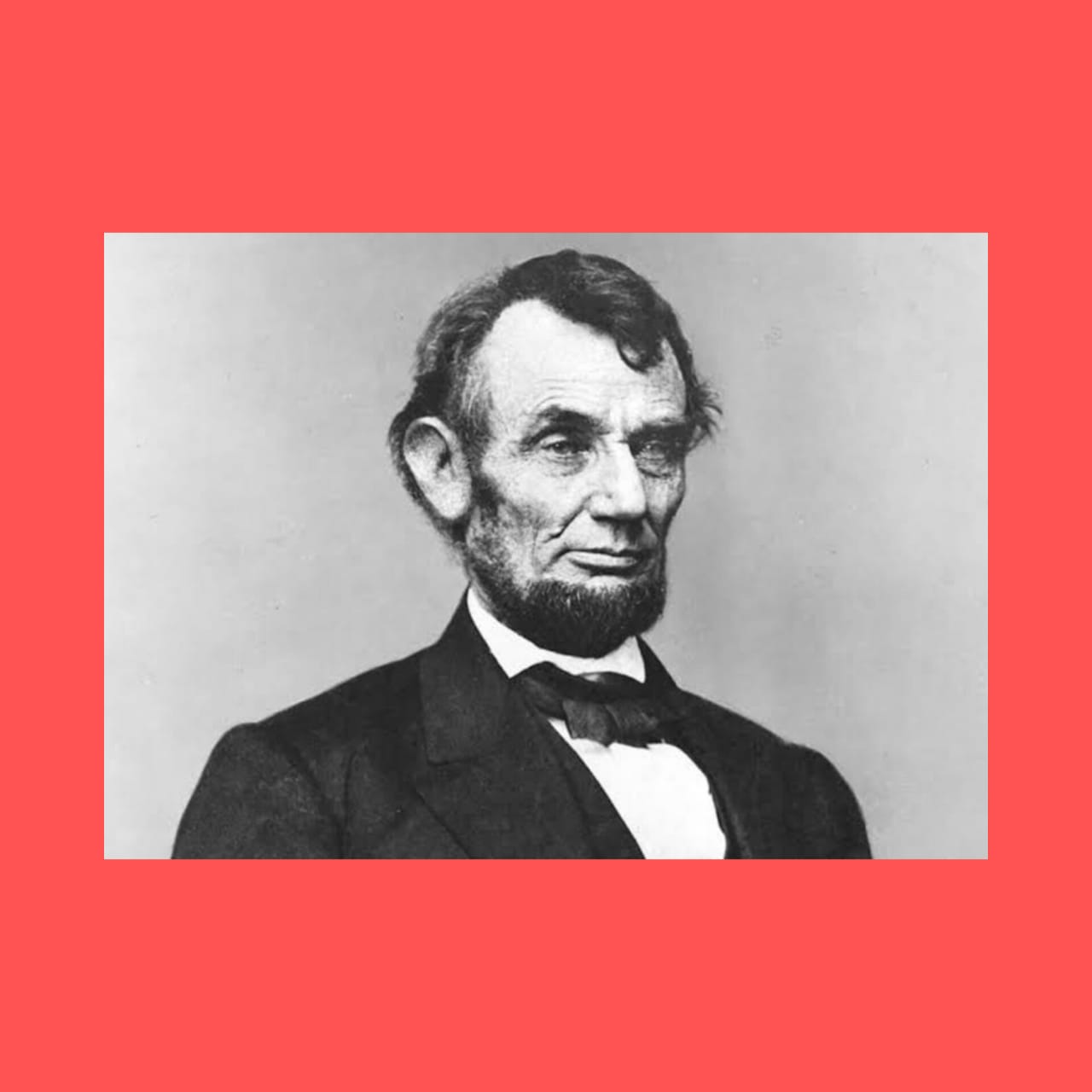
Abe Lincoln’s full name is Abraham Lincoln. He was born in February 1809, near Hodgenville, Kentucky, US. Born in a Kentucky log cabin, he moved to Indiana in 1816 and to Illinois in 1830. He worked as a storekeeper, a rail-splitter, a postmaster, and a surveyor for some time, and then enlisted as a volunteer in the Black Hawk War in 1832, and was captain of his company. He taught himself law, and having passed the bar examination, began practicing in Springfield, Illinois, in 1836. As a successful circuit-riding lawyer from 1837, he was noted for his shrewdness, commonsense, and honesty (earning the nickname “Honest Abe”): From 1834 to 1840 he served in the Illinois state legislature, and in 1847 he was elected as a Whig to the US House of Representatives. In 1856 he joined the Republican Party, which nominated him as its candidate in the 1858 Senate election. In a series of seven debates with Stephen A. Douglass, he argued against the extension of slavery into the territories. He was defeated in the election, but his antislavery position and oratorical. brilliance made him a national figure in the young Republican Party. In the 1860 presidential election, he ran against Douglas again and won by a large margin in the electoral college. He became the 16 President of America. The South " opposed his position on slavery, and before his inauguration, seven Southern states had seceded from the Union. The American Civil War ensued in 1861. He excelled as a wartime leader, combining Statecraft and overall command of the armies with military genius. He issued the Emancipation Proclamation in 1863. The Gettysburg Address in 1863 ennobled the war’s purpose. He defeated McClellan in the presidential election of 1865. He outlawed slavery with his 13" Amendment in 1865. On 14" April 1865, he was mortally wounded by Wilkes Booth and died the next day.
Abraham Lincoln

What is Abe Lincoln known for?

Green Land | March 24, 2023 | 0 comments
Abe Lincoln’s full name is Abraham Lincoln. He was born in February 1809, near Hodgenville, Kentucky, US. Born in a Kentucky log cabin, he moved to Indiana in 1816 and to Illinois in 1830. He worked as a storekeeper, a rail-splitter, a postmaster, and a surveyor for some time, and then enlisted as a volunteer in the Black Hawk War in 1832, and was captain of his company. He taught himself law, and having passed the bar examination, began practicing in Springfield, Illinois, in 1836. As a successful circuit-riding lawyer from 1837, he was noted for his shrewdness, commonsense, and honesty (earning the nickname “Honest Abe”): From 1834 to 1840 he served in the Illinois state legislature, and in 1847 he was elected as a Whig to the US House of Representatives. In 1856 he joined the Republican Party, which nominated him as its candidate in the 1858 Senate election. In a series of seven debates with Stephen A. Douglass, he argued against the extension of slavery into the territories. He was defeated in the election, but his antislavery position and oratorical. brilliance made him a national figure in the young Republican Party. In the 1860 presidential election, he ran against Douglas again and won by a large margin in the electoral college. He became the 16 President of America. The South " opposed his position on slavery, and before his inauguration, seven Southern states had seceded from the Union. The American Civil War ensued in 1861. He excelled as a wartime leader, combining Statecraft and overall command of the armies with military genius. He issued the Emancipation Proclamation in 1863. The Gettysburg Address in 1863 ennobled the war’s purpose. He defeated McClellan in the presidential election of 1865. He outlawed slavery with his 13" Amendment in 1865. On 14" April 1865, he was mortally wounded by Wilkes Booth and died the next day.
Abraham Lincoln

readmore

Langston Hughes, whose full name was James Mercer Langston Hughes was born in 1902 in Joplin, Missouri, in the United States of America. He was the only son of James Nathaniel Hughes and Carrie  Mercer Langston. His parents divorced when he was young, and his father moved to Mexico. His mother traveled a lot to find work and was absent from home very often. So, his grandmother brought him up until he was 12. His childhood was lonely, and he often occupied himself with books. Hughes’ grandmother was a good storyteller,  and it was she who instilled in Hughes a love for literature, and the importance of being educated

Hughes wrote the poem “Harlem” in 1951. In the early 1950s, America was still racially segregated. African Americans were burdened with the legacy of slavery which essentially rendered them second-class citizens in the eyes of law.

The term “Harlem” is associated with the “Harlem Renaissance” or “New Negro Movement”, The “Harlem Renaissance” was a period of outstanding vigor and creativity centered in New York’s black ghetto of Harlem in the 1920s. Its leading literary figures included Alain Locke, James Weldon Johnson, Claude McKay, Countee Cullen, Langston Hughes, Zora Neale Hurston, Jessie Redmon Fauset, Jean Toomer, Wallace Thurman, and Arna Bontemps. It was a literary movement that coincided with the great creative and commercial growth of jazz and a concurrent growth of the visual arts and altered the character of much African American literature. Dialect works and conventional imitations of white writers were replaced with sophisticated explorations of black life and culture.

The theme of the poem is the possible consequences of a dream if it is deferred in realization. The poet puts the question of what happens to a dream deferred and answers the question immediately. It dries up like a raisin in the sun, fester like a sore, or sugar and crust over like a sweep syrup, or sags like a heavy load, or explode like a bomb. This small poem is very important so far as the struggle of the African-Americans for political freedom and equality with whites is concerned. Hughes wrote the poem, “Harlem” only three years before the seminal decision of the Supreme Court in the 1954 case of Brown Vs Board of Education, which declared state laws establishing separate public schools for black and white students as unconstitutional. The poem contributed to the enhancement of the changes that were bubbling up during that time. The poem might have served as an inspiration for the famous speech, “I have a dream” by Martin Luther King Jr. 

The poem is written in the form of rhetorical questions, and questions are cast in the form of similes. Only one sentence is in the declarative form: “Maybe it just sags/ like a heavy load.” Rhetorical questions mean questions of which the answers are contained in the questions themselves. For example, the question, “Does it dry up/ like a raisin in the sun?” has the answer, “It does dry up like a raisin in the sun”. Of course, the answers to rhetorical questions are intended by the questioner. The similes in the 4 questions are very effective. The dream dried is like the drying up of a raisin in the sun. The implication is that if a dream is deferred, it loses its freshness * and vitality, as a grape loses its freshness and vitality when it is dried up in the sun. The last question is particularly very effective. Here the deferred dream has been compared to a bomb. The natural end of a bomb is to explode, and when it does explode it makes widespread devastation. In the same way, if a dream is deferred in its realization, it explodes, that is, it has an explosive effect and makes widespread destruction. It is potentially true especially in the context of the dream of the Negroes for achieving equal rights with the whites. 

The stanza structure of the poem is novel. The first and last Stanzas are one-line stanzas. The first stanza of the poem contains the seeds of all the other questions, and the last stanza contains the word “explode”, and it does explode upon the reader. The words are simple but effective. The words like “fester”. or “stink” creates the effect exactly desired by the poet. 

It is really a wonderful poem. Its novel techniques: its use of rhetorical figures like simile and metaphor and understatement, its use of commonplace words composing pithy sentences, unusual stanza forms, impress upon the reader with extraordinary force. It seems really to take up the dimension of an explosive bomb which occupies a small space but makes widespread devastation all around when exploded.

Critical appreciation of "Harlem"

Write a Critical appreciation of "Harlem"

Green Land | March 24, 2023 | 0 comments

Langston Hughes, whose full name was James Mercer Langston Hughes was born in 1902 in Joplin, Missouri, in the United States of America. He was the only son of James Nathaniel Hughes and Carrie  Mercer Langston. His parents divorced when he was young, and his father moved to Mexico. His mother traveled a lot to find work and was absent from home very often. So, his grandmother brought him up until he was 12. His childhood was lonely, and he often occupied himself with books. Hughes’ grandmother was a good storyteller,  and it was she who instilled in Hughes a love for literature, and the importance of being educated

Hughes wrote the poem “Harlem” in 1951. In the early 1950s, America was still racially segregated. African Americans were burdened with the legacy of slavery which essentially rendered them second-class citizens in the eyes of law.

The term “Harlem” is associated with the “Harlem Renaissance” or “New Negro Movement”, The “Harlem Renaissance” was a period of outstanding vigor and creativity centered in New York’s black ghetto of Harlem in the 1920s. Its leading literary figures included Alain Locke, James Weldon Johnson, Claude McKay, Countee Cullen, Langston Hughes, Zora Neale Hurston, Jessie Redmon Fauset, Jean Toomer, Wallace Thurman, and Arna Bontemps. It was a literary movement that coincided with the great creative and commercial growth of jazz and a concurrent growth of the visual arts and altered the character of much African American literature. Dialect works and conventional imitations of white writers were replaced with sophisticated explorations of black life and culture.

The theme of the poem is the possible consequences of a dream if it is deferred in realization. The poet puts the question of what happens to a dream deferred and answers the question immediately. It dries up like a raisin in the sun, fester like a sore, or sugar and crust over like a sweep syrup, or sags like a heavy load, or explode like a bomb. This small poem is very important so far as the struggle of the African-Americans for political freedom and equality with whites is concerned. Hughes wrote the poem, “Harlem” only three years before the seminal decision of the Supreme Court in the 1954 case of Brown Vs Board of Education, which declared state laws establishing separate public schools for black and white students as unconstitutional. The poem contributed to the enhancement of the changes that were bubbling up during that time. The poem might have served as an inspiration for the famous speech, “I have a dream” by Martin Luther King Jr. 

The poem is written in the form of rhetorical questions, and questions are cast in the form of similes. Only one sentence is in the declarative form: “Maybe it just sags/ like a heavy load.” Rhetorical questions mean questions of which the answers are contained in the questions themselves. For example, the question, “Does it dry up/ like a raisin in the sun?” has the answer, “It does dry up like a raisin in the sun”. Of course, the answers to rhetorical questions are intended by the questioner. The similes in the 4 questions are very effective. The dream dried is like the drying up of a raisin in the sun. The implication is that if a dream is deferred, it loses its freshness * and vitality, as a grape loses its freshness and vitality when it is dried up in the sun. The last question is particularly very effective. Here the deferred dream has been compared to a bomb. The natural end of a bomb is to explode, and when it does explode it makes widespread devastation. In the same way, if a dream is deferred in its realization, it explodes, that is, it has an explosive effect and makes widespread destruction. It is potentially true especially in the context of the dream of the Negroes for achieving equal rights with the whites. 

The stanza structure of the poem is novel. The first and last Stanzas are one-line stanzas. The first stanza of the poem contains the seeds of all the other questions, and the last stanza contains the word “explode”, and it does explode upon the reader. The words are simple but effective. The words like “fester”. or “stink” creates the effect exactly desired by the poet. 

It is really a wonderful poem. Its novel techniques: its use of rhetorical figures like simile and metaphor and understatement, its use of commonplace words composing pithy sentences, unusual stanza forms, impress upon the reader with extraordinary force. It seems really to take up the dimension of an explosive bomb which occupies a small space but makes widespread devastation all around when exploded.

Critical appreciation of "Harlem"

readmore
 
Back To Top