skip to main | skip to sidebar
Showing posts with label Biography. Show all posts

Martin Luther King, Jr. was an American clergyman, activist, and prominent leader in the African American civil nights movement. He was born on January 15, 1929, in Atlanta, Georgia. He is best known for being an iconic figure in the advancement of civil rights in the United States and around the world, using non-violent methods following the teachings of Mahatma Gandhi. He was greatly inspired by the success of Gandhi with non-violent movement activism. He actively took part in the Civil Rights Movement. In 1963 he delivered his famous “J Have a Dream” speech as he was addressing a great congregation at Lincoln Memorial, Throughout his life he had been a civil right activist. He proved himself a great orator with excellent oratorical skills. He received Nobel Peace Prize in 1964 for his contribution to the elimination of racial segregation and racial discrimination in America. He was the youngest man to receive the prize. King was assassinated on April 4, 1968, in Memphis, Tennessee. King is often presented as a heroic leader in the history of modern American liberalism. 

Martin Luther King’s “I Have a Dream” is a memorable speech particularly for the black American people. The speech is not only King’s most famous speech but also it has become the touchstone of American memory of the struggle for civil rights, This famous speech was delivered on 28th August 1963 from the steps of the Lincoln Memorial. He addressed over 200,000 civil rights activists. Luther speaks with authority throughout the whole speech. At the very outset of his speech, he says that he is happy to join the congregation of Civil Rights Movement activists. It was a defining moment of the American Civil Rights Movement. King’s speech is a call for granting the rights of freedom and equality to the black American people. 

When America as a nation came into being, the Declaration of Independence as well as the Constitution of America granted freedom and equal rights for all. But the nation did not grant those rights to the back people in practice. Instead, they were made salves. Then took place the American Civil War on the issue of slavery. Even though slavery as an institution was abolished and the Emancipation Proclamation was signed, the Negroes were being deprived of their legitimate rights. Now they are united to press for the rights of freedom and equality. The Civil Rights Movement activists have gathered at the Lincoln Memorial. Luther King is addressing the multitude of the activists. He feels happy and proud to be there. He is confident that the day will be remembered long for the gathering. He says that it will go down as the greatest demonstration for freedom in the history of American nation. Thousands of people gathered to voice their demands. Luther’s whole speech is about the rights for freedom and equality for the black american people. The occasion is really memorable. 

Who is Martin Luther King, Jr.?

Green Land | September 26, 2023 | 0 comments

Martin Luther King, Jr. was an American clergyman, activist, and prominent leader in the African American civil nights movement. He was born on January 15, 1929, in Atlanta, Georgia. He is best known for being an iconic figure in the advancement of civil rights in the United States and around the world, using non-violent methods following the teachings of Mahatma Gandhi. He was greatly inspired by the success of Gandhi with non-violent movement activism. He actively took part in the Civil Rights Movement. In 1963 he delivered his famous “J Have a Dream” speech as he was addressing a great congregation at Lincoln Memorial, Throughout his life he had been a civil right activist. He proved himself a great orator with excellent oratorical skills. He received Nobel Peace Prize in 1964 for his contribution to the elimination of racial segregation and racial discrimination in America. He was the youngest man to receive the prize. King was assassinated on April 4, 1968, in Memphis, Tennessee. King is often presented as a heroic leader in the history of modern American liberalism. 

Martin Luther King’s “I Have a Dream” is a memorable speech particularly for the black American people. The speech is not only King’s most famous speech but also it has become the touchstone of American memory of the struggle for civil rights, This famous speech was delivered on 28th August 1963 from the steps of the Lincoln Memorial. He addressed over 200,000 civil rights activists. Luther speaks with authority throughout the whole speech. At the very outset of his speech, he says that he is happy to join the congregation of Civil Rights Movement activists. It was a defining moment of the American Civil Rights Movement. King’s speech is a call for granting the rights of freedom and equality to the black American people. 

When America as a nation came into being, the Declaration of Independence as well as the Constitution of America granted freedom and equal rights for all. But the nation did not grant those rights to the back people in practice. Instead, they were made salves. Then took place the American Civil War on the issue of slavery. Even though slavery as an institution was abolished and the Emancipation Proclamation was signed, the Negroes were being deprived of their legitimate rights. Now they are united to press for the rights of freedom and equality. The Civil Rights Movement activists have gathered at the Lincoln Memorial. Luther King is addressing the multitude of the activists. He feels happy and proud to be there. He is confident that the day will be remembered long for the gathering. He says that it will go down as the greatest demonstration for freedom in the history of American nation. Thousands of people gathered to voice their demands. Luther’s whole speech is about the rights for freedom and equality for the black american people. The occasion is really memorable. 

readmore

Biography

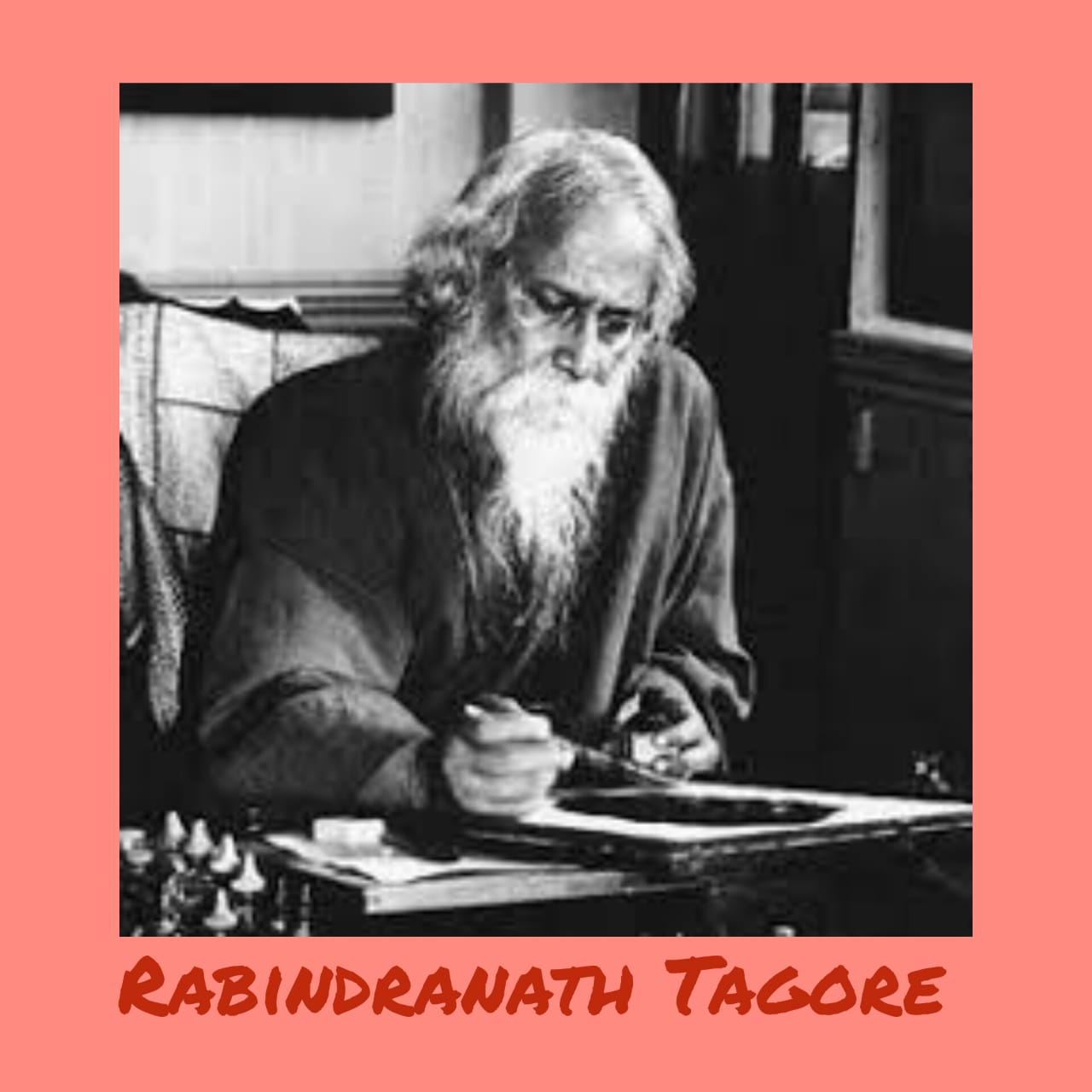
Rabindranath Tagore was a Bengali writer, brief tale essayist, melody writer, dramatist, and painter. He presented new composition and stanza structures and the utilization of casual language into Bengali writing, acquainted Indian culture with the West as well as the other way around, and is for the most part viewed as the extraordinary innovative craftsman of mid twentieth century India.

Rabindranath Tagore (1861-1941) was the most youthful child of Debendranath Tagore, a head of the Brahmo Samaj, which was another strict faction in nineteenth-century Bengal and which endeavored a recovery of a definitive monistic premise of Hinduism as set down in the Upanishads.

He was brought into the world on May 7, 1861, to Debendranath Tagore and Sarada Devi in Calcutta, Bengal Administration, English India(present-day Kolkata, West Bengal, India). Tagore's mom Sarada Devi kicked the bucket when he was a youngster and his dad Debendranath Tagore voyaged a ton. Hence, Tagore was raised by workers. Dwijendranath, Rabindranath Tagore's most established sibling, was a savant and writer. Tagore's other sibling Satyendranath was the primary Indian to be designated in the Indian Common Assistance. His sibling, Jyotirindranath, was a performer, writer, and dramatist while his sister Swarnakumari was a writer.

Rabindranath's sibling Hemendranath showed him life systems, topography and history, writing, arithmetic, Sanskrit, and English. At 11 years old after his Janeu, Tagore visited India with his dad. Rabindranath Tagore visited his dad's Santiniketan domain and remained in Amritsar for a month prior to arriving at the Himalayan slope station of Dalhousie where Tagore read life stories, concentrated on history, stargazing, present day science, Sanskrit, and inspected the traditional verse of 'Kalidasa'. Tagore was profoundly impacted by the Gurbani and Nanak Bani which were sung at Brilliant Sanctuary, Amritsar. In 1882, Tagore made his presentation with a brief tale in Bengali 'Bhikarini'.

In 1878, Rabindra Nath Tagore enlisted himself at a state funded school in Britain since his dad maintained that him should be a counselor. Tagore read regulation at College School, London, however quit again to freely review. He read Shakespeare's plays Coriolanus, and Antony and Cleopatra and the Religio Medici of Thomas Browne which profoundly intrigued him.

In 1880, Tagore got back to Bengal with next to no degree and began distributing sonnets, stories and books. Despite the fact that he got no acknowledgment at the public level except for became popular in Bengal.

In late 1937, Rabindranath Tagore started passing out and stayed in a state of unconsciousness for a significant stretch. In 1940, Tagore again went into a trance like state and never recuperated. Following quite a while of persistent torment and long haul disease, Tagore kicked the bucket on August 7, 1941, at 80 years old years. Rabindranath Tagore took his final gasp in the chateau he was raised.

Works of Rabindranath Tagore

Drama

Rabindranath Tagore was a productive playwright. In his sixty-year profession as a writer, he composed in excess of fifty works in the emotional mode.

Tagore's encounters with show started when he was sixteen, with his sibling Jyotirindranath. He composed his most memorable unique sensational piece when he was twenty — Valmiki Pratibha which was displayed at the Tagore's manor. "Bisarjan' (1890) is an unmistakable play composed by the Nobel laureate Rabindra Nath Tagore in the previous time of the writing. "The Lord of the Dull Chamber" and "The Mailing station" are thought of as the most emblematic of Tagore's plays. Tagore's significant plays are Raja (1910) [The Ruler of the Dull Chamber], Dakghar (1912) [The Post Office], Achalayatan (1912) [The Immovable], Muktadhara (1922) [The Waterfall], and Raktakaravi (1926) [Red Oleanders].

Short stories

Rabindranath Tagore composed right around 100 brief tales. He was the main Bengali essayist to hoist the brief tale to a serious fine art. Tagore effectively blended distinct authenticity and beautiful vision in his accounts which mirrored the contemporary life in provincial and metropolitan Bengal. Tagore started his profession in brief tales in 1877 — when he was just sixteen — with "Bhikharini" ("The Bum Lady").

Rabindranath coordinated and altered Sadhana and distributed large numbers of his most popular stories, including Kabuliwala (kaabulioYaalaa) and Hungry Stone (kShudhita paashhaaN), in the pages of this momentous periodical. Afterward, during 1914-1917, a few of his extraordinary stories like The Spouse's Letter (strIr patra) and Lady Obscure (aparichitaa) showed up in the month to month magazine Sabuj Patra. musalamaanir galpa), first distributed a very long time after his passing. 'The Postmaster' , 'Mashi' , 'Kabuliwala' , 'Subha' and so forth are his renowned brief tales.

Novel

Rabindranath Tagore has composed 12 Books in the course of his life. Here is the rundown of his books:

Bou Thakuranir Cap (1883), Rajarshi (1887), Chokher Bali (1993),Noukadubi (1906), Gora (1910), Chaturanga (1916), Ghare Baire (1916) Interpreted as Home and the World, Jogajog or Yogayog (1929), Shesher Kabita (1929) Deciphered as Last Sonnet and Goodbye Melody, Dui Bon (1933) Two Sisters,Malancha (1933),Char Odhyay (1934).

Verse

He reliably tracks down a soul characteristic in nature and human existence. The connection of the normal with the supra-regular is introduced in many veins, from the mystical to a sort of refined animism. A considerable number of sonnets address human matters straightforward as can be, human love most importantly. His own specialty is an ordinary subject. Gitanjali, Chitto Jetha Bhayshunyo, Dui Bigha Jomi, Job, Birpurush and so on his well known sonnet. Universally, Gitanjali is Tagore's most popular assortment of verse, for which he was granted the Nobel Prize in 1913.

Art work

During the most recent 13 years of his life, starting 1928, Rabindranath painted and drew with huge energy, creating around 2,300 works of art, drawings and portrayals. In his scene canvases, which he focussed on later in his life, he frequently portrays nature washed in night light with brilliant skies and structures coagulating into unpropitious outlines, conjuring secret and a premonitione reshaped Bengali writing and music as well as Indian workmanship with Relevant Innovation in the late nineteenth and mid twentieth hundreds of years. Tagore modernized Bengali workmanship by rejecting unbending old style shapes and opposing semantic injuries.

In 1913 Rabindranath Tagore turned into the main non-European to get the Nobel Prize for Writing. Tagore was granted a knighthood in 1915, however he renounced it in 1919 as a dissent against the Amritsar (Jallianwala Bagh) Sla

Rabindranath Tagore


Rabindranath Tagore biography

Green Land | May 05, 2023 | 0 comments

Biography

Rabindranath Tagore was a Bengali writer, brief tale essayist, melody writer, dramatist, and painter. He presented new composition and stanza structures and the utilization of casual language into Bengali writing, acquainted Indian culture with the West as well as the other way around, and is for the most part viewed as the extraordinary innovative craftsman of mid twentieth century India.

Rabindranath Tagore (1861-1941) was the most youthful child of Debendranath Tagore, a head of the Brahmo Samaj, which was another strict faction in nineteenth-century Bengal and which endeavored a recovery of a definitive monistic premise of Hinduism as set down in the Upanishads.

He was brought into the world on May 7, 1861, to Debendranath Tagore and Sarada Devi in Calcutta, Bengal Administration, English India(present-day Kolkata, West Bengal, India). Tagore's mom Sarada Devi kicked the bucket when he was a youngster and his dad Debendranath Tagore voyaged a ton. Hence, Tagore was raised by workers. Dwijendranath, Rabindranath Tagore's most established sibling, was a savant and writer. Tagore's other sibling Satyendranath was the primary Indian to be designated in the Indian Common Assistance. His sibling, Jyotirindranath, was a performer, writer, and dramatist while his sister Swarnakumari was a writer.

Rabindranath's sibling Hemendranath showed him life systems, topography and history, writing, arithmetic, Sanskrit, and English. At 11 years old after his Janeu, Tagore visited India with his dad. Rabindranath Tagore visited his dad's Santiniketan domain and remained in Amritsar for a month prior to arriving at the Himalayan slope station of Dalhousie where Tagore read life stories, concentrated on history, stargazing, present day science, Sanskrit, and inspected the traditional verse of 'Kalidasa'. Tagore was profoundly impacted by the Gurbani and Nanak Bani which were sung at Brilliant Sanctuary, Amritsar. In 1882, Tagore made his presentation with a brief tale in Bengali 'Bhikarini'.

In 1878, Rabindra Nath Tagore enlisted himself at a state funded school in Britain since his dad maintained that him should be a counselor. Tagore read regulation at College School, London, however quit again to freely review. He read Shakespeare's plays Coriolanus, and Antony and Cleopatra and the Religio Medici of Thomas Browne which profoundly intrigued him.

In 1880, Tagore got back to Bengal with next to no degree and began distributing sonnets, stories and books. Despite the fact that he got no acknowledgment at the public level except for became popular in Bengal.

In late 1937, Rabindranath Tagore started passing out and stayed in a state of unconsciousness for a significant stretch. In 1940, Tagore again went into a trance like state and never recuperated. Following quite a while of persistent torment and long haul disease, Tagore kicked the bucket on August 7, 1941, at 80 years old years. Rabindranath Tagore took his final gasp in the chateau he was raised.

Works of Rabindranath Tagore

Drama

Rabindranath Tagore was a productive playwright. In his sixty-year profession as a writer, he composed in excess of fifty works in the emotional mode.

Tagore's encounters with show started when he was sixteen, with his sibling Jyotirindranath. He composed his most memorable unique sensational piece when he was twenty — Valmiki Pratibha which was displayed at the Tagore's manor. "Bisarjan' (1890) is an unmistakable play composed by the Nobel laureate Rabindra Nath Tagore in the previous time of the writing. "The Lord of the Dull Chamber" and "The Mailing station" are thought of as the most emblematic of Tagore's plays. Tagore's significant plays are Raja (1910) [The Ruler of the Dull Chamber], Dakghar (1912) [The Post Office], Achalayatan (1912) [The Immovable], Muktadhara (1922) [The Waterfall], and Raktakaravi (1926) [Red Oleanders].

Short stories

Rabindranath Tagore composed right around 100 brief tales. He was the main Bengali essayist to hoist the brief tale to a serious fine art. Tagore effectively blended distinct authenticity and beautiful vision in his accounts which mirrored the contemporary life in provincial and metropolitan Bengal. Tagore started his profession in brief tales in 1877 — when he was just sixteen — with "Bhikharini" ("The Bum Lady").

Rabindranath coordinated and altered Sadhana and distributed large numbers of his most popular stories, including Kabuliwala (kaabulioYaalaa) and Hungry Stone (kShudhita paashhaaN), in the pages of this momentous periodical. Afterward, during 1914-1917, a few of his extraordinary stories like The Spouse's Letter (strIr patra) and Lady Obscure (aparichitaa) showed up in the month to month magazine Sabuj Patra. musalamaanir galpa), first distributed a very long time after his passing. 'The Postmaster' , 'Mashi' , 'Kabuliwala' , 'Subha' and so forth are his renowned brief tales.

Novel

Rabindranath Tagore has composed 12 Books in the course of his life. Here is the rundown of his books:

Bou Thakuranir Cap (1883), Rajarshi (1887), Chokher Bali (1993),Noukadubi (1906), Gora (1910), Chaturanga (1916), Ghare Baire (1916) Interpreted as Home and the World, Jogajog or Yogayog (1929), Shesher Kabita (1929) Deciphered as Last Sonnet and Goodbye Melody, Dui Bon (1933) Two Sisters,Malancha (1933),Char Odhyay (1934).

Verse

He reliably tracks down a soul characteristic in nature and human existence. The connection of the normal with the supra-regular is introduced in many veins, from the mystical to a sort of refined animism. A considerable number of sonnets address human matters straightforward as can be, human love most importantly. His own specialty is an ordinary subject. Gitanjali, Chitto Jetha Bhayshunyo, Dui Bigha Jomi, Job, Birpurush and so on his well known sonnet. Universally, Gitanjali is Tagore's most popular assortment of verse, for which he was granted the Nobel Prize in 1913.

Art work

During the most recent 13 years of his life, starting 1928, Rabindranath painted and drew with huge energy, creating around 2,300 works of art, drawings and portrayals. In his scene canvases, which he focussed on later in his life, he frequently portrays nature washed in night light with brilliant skies and structures coagulating into unpropitious outlines, conjuring secret and a premonitione reshaped Bengali writing and music as well as Indian workmanship with Relevant Innovation in the late nineteenth and mid twentieth hundreds of years. Tagore modernized Bengali workmanship by rejecting unbending old style shapes and opposing semantic injuries.

In 1913 Rabindranath Tagore turned into the main non-European to get the Nobel Prize for Writing. Tagore was granted a knighthood in 1915, however he renounced it in 1919 as a dissent against the Amritsar (Jallianwala Bagh) Sla

Rabindranath Tagore


readmore

The fifth and greatest Mughal Emperor of India was Shah Jahan. He ruled from 1628 to 1658 and is known for his patronage of the arts, especially architecture. Shah Jahan is credited with building the Taj Mahal, one of the most famous monuments in the world, in memory of his wife Mumtaz Mahal. He also constructed the Red Fort in Delhi, which served as the residence of the Mughal emperors for nearly 200 years. During his reign, the Mughal Empire was at the peak of its power and influence, and his era is considered a golden age in Indian history.

Shah Jahan was born in 1592 to Emperor Jahangir and his wife Nur Jahan. His birth name was Prince Khurram, but he took the title of Shah Jahan after ascending to the throne. He was the third son of Jahangir, but he was chosen to be the heir to the throne after a power struggle with his brothers.

Shah Jahan's reign was marked by great achievements in the arts, including architecture, painting, and literature. The period of his rule is known as the Mughal Golden Age, and it was a time of great prosperity and cultural flourishing. He was also known for his religious tolerance and patronage of diverse cultural traditions.

Shah Jahan's reign was not without challenges, however. He faced a rebellion from his own son, Aurangzeb, who ultimately imprisoned him and took the throne. Shah Jahan spent the last years of his life under house arrest in the Agra Fort, where he died in 1666.

Despite his tumultuous end, Shah Jahan is remembered as one of the greatest emperors of India, and his legacy endures through the magnificent monuments he built, such as the Taj Mahal, which is considered a masterpiece of Mughal architecture and a symbol of India's cultural heritage. Shah Jahan was a skilled military strategist and expanded the Mughal Empire's territory through several military campaigns. He annexed the Deccan Plateau, parts of Gujarat, and the Kandahar region in present-day Afghanistan. He also built a strong navy and took control of the strategic port city of Surat.

Shah Jahan was known for his love of gardens, and he created many beautiful gardens throughout the empire, including the Shalimar Bagh in Kashmir and the Taj Mahal Gardens in Agra. In addition to his patronage of the arts, Shah Jahan was also a great patron of education and scholarship. He founded several colleges and universities and sponsored the translation of important works of literature and philosophy from Arabic and Persian into Indian languages.

Shah Jahan's reign was marked by a high degree of centralization, and he was known for his strict control over the administration of the empire. He also instituted several reforms to improve the lives of his subjects, including the establishment of a new law code and the regulation of taxes.

Shah Jahan was a visionary leader who left a lasting impact on Indian history and culture. His reign was a period of great achievements in the arts and scholarship, and his architectural legacy, particularly the Taj Mahal, remains one of the most enduring symbols of India's rich cultural heritage.

Shah Jahan's patronage of the arts was not limited to architecture. He was also a great patron of painting and music, and his reign saw the development of several important schools of painting, such as the Mughal school, which blended Persian and Indian artistic traditions.

In the field of music, Shah Jahan was known for his patronage of the Dhrupad style of classical music, and he was a skilled player of the veena, a traditional Indian stringed instrument.

Shah Jahan was also known for his support of Sufism, a mystical Islamic tradition. He was a devotee of the Sufi saint Hazrat Mian Mir, and he founded several Sufi shrines and mosques throughout the empire.

Shah Jahan's personal life was marked by tragedy. He had several wives, but he was particularly devoted to his third wife, Mumtaz Mahal. When she died in childbirth in 1631, he was devastated, and he commissioned the construction of the Taj Mahal as a mausoleum for her. The Taj Mahal, which is located in Agra, is considered one of the greatest works of architecture in the world, and it is a UNESCO World Heritage Site.

Shah Jahan's reign was also marked by a high degree of luxury and opulence, particularly at his court in Delhi. He was known for his lavish spending on court ceremonies, and he surrounded himself with a large retinue of courtiers and nobles. However, this extravagance was balanced by his great works of public welfare, including the construction of several public hospitals and the establishment of a network of public granaries to provide food during times of famine.

Who was the fifth and greatest mughal emperor of india?

Green Land | February 18, 2023 | 0 comments

The fifth and greatest Mughal Emperor of India was Shah Jahan. He ruled from 1628 to 1658 and is known for his patronage of the arts, especially architecture. Shah Jahan is credited with building the Taj Mahal, one of the most famous monuments in the world, in memory of his wife Mumtaz Mahal. He also constructed the Red Fort in Delhi, which served as the residence of the Mughal emperors for nearly 200 years. During his reign, the Mughal Empire was at the peak of its power and influence, and his era is considered a golden age in Indian history.

Shah Jahan was born in 1592 to Emperor Jahangir and his wife Nur Jahan. His birth name was Prince Khurram, but he took the title of Shah Jahan after ascending to the throne. He was the third son of Jahangir, but he was chosen to be the heir to the throne after a power struggle with his brothers.

Shah Jahan's reign was marked by great achievements in the arts, including architecture, painting, and literature. The period of his rule is known as the Mughal Golden Age, and it was a time of great prosperity and cultural flourishing. He was also known for his religious tolerance and patronage of diverse cultural traditions.

Shah Jahan's reign was not without challenges, however. He faced a rebellion from his own son, Aurangzeb, who ultimately imprisoned him and took the throne. Shah Jahan spent the last years of his life under house arrest in the Agra Fort, where he died in 1666.

Despite his tumultuous end, Shah Jahan is remembered as one of the greatest emperors of India, and his legacy endures through the magnificent monuments he built, such as the Taj Mahal, which is considered a masterpiece of Mughal architecture and a symbol of India's cultural heritage. Shah Jahan was a skilled military strategist and expanded the Mughal Empire's territory through several military campaigns. He annexed the Deccan Plateau, parts of Gujarat, and the Kandahar region in present-day Afghanistan. He also built a strong navy and took control of the strategic port city of Surat.

Shah Jahan was known for his love of gardens, and he created many beautiful gardens throughout the empire, including the Shalimar Bagh in Kashmir and the Taj Mahal Gardens in Agra. In addition to his patronage of the arts, Shah Jahan was also a great patron of education and scholarship. He founded several colleges and universities and sponsored the translation of important works of literature and philosophy from Arabic and Persian into Indian languages.

Shah Jahan's reign was marked by a high degree of centralization, and he was known for his strict control over the administration of the empire. He also instituted several reforms to improve the lives of his subjects, including the establishment of a new law code and the regulation of taxes.

Shah Jahan was a visionary leader who left a lasting impact on Indian history and culture. His reign was a period of great achievements in the arts and scholarship, and his architectural legacy, particularly the Taj Mahal, remains one of the most enduring symbols of India's rich cultural heritage.

Shah Jahan's patronage of the arts was not limited to architecture. He was also a great patron of painting and music, and his reign saw the development of several important schools of painting, such as the Mughal school, which blended Persian and Indian artistic traditions.

In the field of music, Shah Jahan was known for his patronage of the Dhrupad style of classical music, and he was a skilled player of the veena, a traditional Indian stringed instrument.

Shah Jahan was also known for his support of Sufism, a mystical Islamic tradition. He was a devotee of the Sufi saint Hazrat Mian Mir, and he founded several Sufi shrines and mosques throughout the empire.

Shah Jahan's personal life was marked by tragedy. He had several wives, but he was particularly devoted to his third wife, Mumtaz Mahal. When she died in childbirth in 1631, he was devastated, and he commissioned the construction of the Taj Mahal as a mausoleum for her. The Taj Mahal, which is located in Agra, is considered one of the greatest works of architecture in the world, and it is a UNESCO World Heritage Site.

Shah Jahan's reign was also marked by a high degree of luxury and opulence, particularly at his court in Delhi. He was known for his lavish spending on court ceremonies, and he surrounded himself with a large retinue of courtiers and nobles. However, this extravagance was balanced by his great works of public welfare, including the construction of several public hospitals and the establishment of a network of public granaries to provide food during times of famine.

readmore

Kalpana Chawla was an Indian-American astronaut who made history as the first woman of Indian origin to go to space. She flew on the space shuttle Columbia in 1997 as a mission specialist, and later, in 2003, she returned to space as part of the crew of the ill-fated STS-107 mission.

On February 1, 2003, during re-entry into the Earth's atmosphere, the space shuttle Columbia disintegrated over Texas, killing all seven crew members on board, including Kalpana Chawla. The tragedy was a result of damage sustained to the shuttle's left wing during launch, which went unnoticed and ultimately caused the shuttle to break apart during re-entry.

The loss of Kalpana Chawla and the other crew members was a heartbreaking event for the space community and for people around the world. It served as a reminder of the risks and sacrifices that astronauts face in the pursuit of scientific discovery and exploration. However, her legacy continues to inspire future generations of scientists and space explorers.

Kalpana Chawla was born in Karnal, India in 1961. She was always fascinated by the sky and the stars and dreamed of flying from a young age. After completing her education in India, she moved to the United States to pursue higher education, earning a Master of Science degree in aerospace engineering and a Ph.D. in aerospace engineering from the University of Texas at Arlington.

In 1994, she was selected by NASA for their astronaut program and underwent rigorous training before making her first flight to space on the space shuttle Columbia in 1997. During that mission, she conducted various experiments related to materials science, earth observation, and life sciences. She then served in various roles at NASA before being selected for the ill-fated STS-107 mission.

After her death, Kalpana Chawla was honored with numerous awards and accolades, including the Congressional Space Medal of Honor, which is the highest honor that can be bestowed upon an astronaut by the United States Congress. She was also posthumously awarded the NASA Space Flight Medal and the NASA Distinguished Service Medal, among others.

In addition to her accomplishments as an astronaut, Kalpana Chawla was also an inspiration to many as a woman and a person of Indian origin who broke barriers and achieved success in a field that was traditionally male-dominated. Her legacy continues to inspire young people around the world to pursue their dreams and to work hard to achieve their goals, regardless of the obstacles they may face.

Kalpana Chawla was known for her dedication, hard work, and passion for space exploration. She often spoke about her love for space and her desire to contribute to scientific discovery and exploration. In interviews, she emphasized the importance of education and encouraged young people, especially girls, to pursue careers in science, technology, engineering, and mathematics (STEM).

Her journey to becoming an astronaut was not without challenges, however. As a woman and a person of Indian origin, she faced various obstacles and biases along the way. However, she persisted and worked hard to achieve her dreams, proving that with determination and hard work, anything is possible.

Today, Kalpana Chawla's memory is honored in various ways. In her home country of India, a planetarium and a scholarship program have been established in her name. In the United States, several schools and buildings have been named after her, and her legacy continues to inspire and motivate people from all walks of life.

Overall, Kalpana Chawla's life and achievements serve as a reminder of the importance of perseverance, determination, hard work, and the power of individuals to make a positive impact on the world.

The heart-breaking ending of kalpana chawla

Green Land | February 18, 2023 | 0 comments

Kalpana Chawla was an Indian-American astronaut who made history as the first woman of Indian origin to go to space. She flew on the space shuttle Columbia in 1997 as a mission specialist, and later, in 2003, she returned to space as part of the crew of the ill-fated STS-107 mission.

On February 1, 2003, during re-entry into the Earth's atmosphere, the space shuttle Columbia disintegrated over Texas, killing all seven crew members on board, including Kalpana Chawla. The tragedy was a result of damage sustained to the shuttle's left wing during launch, which went unnoticed and ultimately caused the shuttle to break apart during re-entry.

The loss of Kalpana Chawla and the other crew members was a heartbreaking event for the space community and for people around the world. It served as a reminder of the risks and sacrifices that astronauts face in the pursuit of scientific discovery and exploration. However, her legacy continues to inspire future generations of scientists and space explorers.

Kalpana Chawla was born in Karnal, India in 1961. She was always fascinated by the sky and the stars and dreamed of flying from a young age. After completing her education in India, she moved to the United States to pursue higher education, earning a Master of Science degree in aerospace engineering and a Ph.D. in aerospace engineering from the University of Texas at Arlington.

In 1994, she was selected by NASA for their astronaut program and underwent rigorous training before making her first flight to space on the space shuttle Columbia in 1997. During that mission, she conducted various experiments related to materials science, earth observation, and life sciences. She then served in various roles at NASA before being selected for the ill-fated STS-107 mission.

After her death, Kalpana Chawla was honored with numerous awards and accolades, including the Congressional Space Medal of Honor, which is the highest honor that can be bestowed upon an astronaut by the United States Congress. She was also posthumously awarded the NASA Space Flight Medal and the NASA Distinguished Service Medal, among others.

In addition to her accomplishments as an astronaut, Kalpana Chawla was also an inspiration to many as a woman and a person of Indian origin who broke barriers and achieved success in a field that was traditionally male-dominated. Her legacy continues to inspire young people around the world to pursue their dreams and to work hard to achieve their goals, regardless of the obstacles they may face.

Kalpana Chawla was known for her dedication, hard work, and passion for space exploration. She often spoke about her love for space and her desire to contribute to scientific discovery and exploration. In interviews, she emphasized the importance of education and encouraged young people, especially girls, to pursue careers in science, technology, engineering, and mathematics (STEM).

Her journey to becoming an astronaut was not without challenges, however. As a woman and a person of Indian origin, she faced various obstacles and biases along the way. However, she persisted and worked hard to achieve her dreams, proving that with determination and hard work, anything is possible.

Today, Kalpana Chawla's memory is honored in various ways. In her home country of India, a planetarium and a scholarship program have been established in her name. In the United States, several schools and buildings have been named after her, and her legacy continues to inspire and motivate people from all walks of life.

Overall, Kalpana Chawla's life and achievements serve as a reminder of the importance of perseverance, determination, hard work, and the power of individuals to make a positive impact on the world.

readmore

Bhagat Singh was an Indian revolutionary socialist who played a significant role in India's struggle for independence from British colonial rule. He was born in 1907 in Punjab, India, and became involved in revolutionary politics at a young age.

One of the most notable protests led by Bhagat Singh was the hunger strike he and other political prisoners undertook in 1929 to demand better conditions in jail. The hunger strike lasted for 116 days and received widespread attention in India and around the world.

Another significant protest led by Bhagat Singh was the bombing of the Central Legislative Assembly in New Delhi in 1929. The purpose of the bombing was to make a statement against the repressive policies of the British government and to demand independence for India. Bhagat Singh and his fellow revolutionaries were eventually arrested and sentenced to death.

Despite his young age, Bhagat Singh was a charismatic and influential leader who inspired many Indians to join the struggle for independence. His legacy continues to inspire people in India and around the world to fight for social justice and equality.  Bhagat Singh's protests were not limited to hunger strikes and bombings. He and his fellow revolutionaries also engaged in several other forms of protests, including:

  1. Acts of Civil Disobedience: Bhagat Singh and his comrades organized several acts of civil disobedience, such as burning foreign cloth, boycotting British educational institutions and government offices, and organizing strikes in various parts of the country.

  2. Propaganda: Bhagat Singh used various forms of propaganda, including leaflets, pamphlets, and newspapers, to spread his revolutionary message. He also established a printing press to publish his own writings and those of his comrades.

  3. Revolutionary Activities: Bhagat Singh and his comrades engaged in several revolutionary activities, including the assassination of British police officers and other officials who were seen as oppressive to the Indian people. They believed that such actions would help to ignite a larger revolution against British rule.

  4. Protests against Unjust Laws: Bhagat Singh and his comrades also protested against various laws that they saw as unjust, such as the Public Safety Bill and the Trade Disputes Act. They believed that these laws were aimed at suppressing the voice of the people and limiting their freedom of expression.

Bhagat Singh's protests and revolutionary activities were aimed at inspiring the Indian people to rise up against British colonial rule and fight for their freedom. His ideas and actions continue to inspire people to fight for social justice and equality even today.

Bhagat Singh was not just a revolutionary, but also a thinker who had a deep understanding of political and social issues. He was inspired by the ideas of Karl Marx, Friedrich Engels, and Vladimir Lenin, and he believed that socialism was the way to achieve a just and equal society.

Bhagat Singh was also deeply committed to the idea of secularism and believed that the struggle for independence should not be limited to any particular religion or community. He fought against communalism and spoke out against the idea of a separate state for Muslims.

In addition to his political activism, Bhagat Singh was also a prolific writer and wrote several books and essays on a variety of topics. He wrote about the role of the youth in the struggle for independence, the need for social and economic equality, and the importance of selfless service to society.

Despite his young age, Bhagat Singh had a significant impact on the Indian independence movement. His protests and revolutionary activities inspired many young people to join the struggle for freedom, and his ideas continue to influence Indian politics and society today.

Bhagat Singh was eventually hanged by the British colonial authorities in 1931 at the age of 23, but his legacy continues to inspire people to fight for justice and equality. He remains a hero to many in India and is widely regarded as one of the most influential revolutionaries in Indian history.

The protest of bhagat singh

Green Land | February 18, 2023 | 0 comments

Bhagat Singh was an Indian revolutionary socialist who played a significant role in India's struggle for independence from British colonial rule. He was born in 1907 in Punjab, India, and became involved in revolutionary politics at a young age.

One of the most notable protests led by Bhagat Singh was the hunger strike he and other political prisoners undertook in 1929 to demand better conditions in jail. The hunger strike lasted for 116 days and received widespread attention in India and around the world.

Another significant protest led by Bhagat Singh was the bombing of the Central Legislative Assembly in New Delhi in 1929. The purpose of the bombing was to make a statement against the repressive policies of the British government and to demand independence for India. Bhagat Singh and his fellow revolutionaries were eventually arrested and sentenced to death.

Despite his young age, Bhagat Singh was a charismatic and influential leader who inspired many Indians to join the struggle for independence. His legacy continues to inspire people in India and around the world to fight for social justice and equality.  Bhagat Singh's protests were not limited to hunger strikes and bombings. He and his fellow revolutionaries also engaged in several other forms of protests, including:

  1. Acts of Civil Disobedience: Bhagat Singh and his comrades organized several acts of civil disobedience, such as burning foreign cloth, boycotting British educational institutions and government offices, and organizing strikes in various parts of the country.

  2. Propaganda: Bhagat Singh used various forms of propaganda, including leaflets, pamphlets, and newspapers, to spread his revolutionary message. He also established a printing press to publish his own writings and those of his comrades.

  3. Revolutionary Activities: Bhagat Singh and his comrades engaged in several revolutionary activities, including the assassination of British police officers and other officials who were seen as oppressive to the Indian people. They believed that such actions would help to ignite a larger revolution against British rule.

  4. Protests against Unjust Laws: Bhagat Singh and his comrades also protested against various laws that they saw as unjust, such as the Public Safety Bill and the Trade Disputes Act. They believed that these laws were aimed at suppressing the voice of the people and limiting their freedom of expression.

Bhagat Singh's protests and revolutionary activities were aimed at inspiring the Indian people to rise up against British colonial rule and fight for their freedom. His ideas and actions continue to inspire people to fight for social justice and equality even today.

Bhagat Singh was not just a revolutionary, but also a thinker who had a deep understanding of political and social issues. He was inspired by the ideas of Karl Marx, Friedrich Engels, and Vladimir Lenin, and he believed that socialism was the way to achieve a just and equal society.

Bhagat Singh was also deeply committed to the idea of secularism and believed that the struggle for independence should not be limited to any particular religion or community. He fought against communalism and spoke out against the idea of a separate state for Muslims.

In addition to his political activism, Bhagat Singh was also a prolific writer and wrote several books and essays on a variety of topics. He wrote about the role of the youth in the struggle for independence, the need for social and economic equality, and the importance of selfless service to society.

Despite his young age, Bhagat Singh had a significant impact on the Indian independence movement. His protests and revolutionary activities inspired many young people to join the struggle for freedom, and his ideas continue to influence Indian politics and society today.

Bhagat Singh was eventually hanged by the British colonial authorities in 1931 at the age of 23, but his legacy continues to inspire people to fight for justice and equality. He remains a hero to many in India and is widely regarded as one of the most influential revolutionaries in Indian history.

readmore

Vallabhbhai Patel, also known as Sardar Patel, was an Indian statesman and one of the founding fathers of the Republic of India. He was born on October 31, 1875, in Nadiad, Gujarat, and died in Mumbai, India on December 15, 1950.

Patel was a lawyer by profession and played a pivotal role in the Indian independence movement. He was a member of the Indian National Congress and served as the first Deputy Prime Minister and Minister of Home Affairs of independent India. Patel was instrumental in the integration of over 500 princely states into the newly independent Indian Union, a task that is regarded as his greatest achievement.

Patel is often referred to as the "Iron Man of India" for his firm leadership and uncompromising commitment to Indian unity. His contributions to Indian history and his role in shaping modern India have earned him a prominent place in Indian politics and culture. 

Some additional information about Vallabhbhai Patel:

  • Patel was born in a peasant family in the state of Gujarat, in western India. He studied in England and trained as a lawyer. He returned to India and started practicing law in 1913.
  • In 1917, Patel became a member of the Indian National Congress, the main political party that led the Indian independence movement. He quickly rose to prominence as a leader within the party and was known for his organizational skills and strategic thinking.
  • Patel played a key role in the nonviolent civil disobedience campaigns led by Congress in the 1920s and 1930s, including the Salt Satyagraha of 1930 and the Quit India movement of 1942.

  • After India gained independence from British rule in 1947, Patel was appointed as the first Deputy Prime Minister and Minister of Home Affairs in the government of Prime Minister Jawaharlal Nehru. He was tasked with the difficult job of integrating the various princely states into the newly independent Indian Union.

  • Patel used a combination of diplomacy, negotiation, and force to achieve the integration of the princely states, which had been largely autonomous under British rule. His efforts prevented India's fragmentation and helped create a strong, centralized government.

  • Patel's health began to deteriorate soon after independence, and he died in 1950 at the age of 75. He is remembered as a stalwart of Indian politics and a unifying force in the early years of the Indian Republic.

  • Patel's legacy continues to be celebrated in India and is widely regarded as one of the most important figures in Indian history. His birth anniversary, on October 31, is celebrated as National Unity Day in India.

    • Patel was a staunch supporter of Mahatma Gandhi and his principles of non-violence and civil disobedience. He played a key role in organizing the Salt Satyagraha, which was a major milestone in India's independence struggle.

    • Patel was known for his strong personality and no-nonsense approach. He was often referred to as the "Iron Man of India" due to his steely resolve and determination.

    • Patel was a strong advocate of education and believed that it was the key to India's progress. He worked tirelessly to establish educational institutions and promote literacy, especially in rural areas.

    • In addition to his political career, Patel was also a successful lawyer and a gifted orator. He was known for his powerful speeches and his ability to inspire and mobilize people.

    • Patel was married to Jhaverba, with whom he had two children. He was a devoted family man and took great pride in his children's achievements.

    • Patel was posthumously awarded the Bharat Ratna, India's highest civilian award, in 1991 for his contribution to the country's unity and integration.

    • Patel's life and achievements have been the subject of several books and movies, including the biographical film "Sardar" (1993), which was directed by Ketan Mehta and starred Paresh Rawal in the lead role.

    • Patel was a staunch supporter of Mahatma Gandhi and his principles of non-violence and civil disobedience. He played a key role in organizing the Salt Satyagraha, which was a major milestone in India's independence struggle.
    • Patel was known for his strong personality and no-nonsense approach. He was often referred to as the "Iron Man of India" due to his steely resolve and determination.
    • Patel was a strong advocate of education and believed that it was the key to India's progress. He worked tirelessly to establish educational institutions and promote literacy, especially in rural areas.
    • In addition to his political career, Patel was also a successful lawyer and a gifted orator. He was known for his powerful speeches and his ability to inspire and mobilize people.
    • Patel was married to Jhaverba, with whom he had two children. He was a devoted family man and took great pride in his children's achievements.
    • Patel was posthumously awarded the Bharat Ratna, India's highest civilian award, in 1991 for his contribution to the country's unity and integration.
    • Patel's life and achievements have been the subject of several books and movies, including the biographical film "Sardar" (1993), which was directed by Ketan Mehta and starred Paresh Rawal in the lead role.
    • Patel was a key member of the Constituent Assembly, which was tasked with drafting India's constitution after independence. He played a crucial role in shaping the country's political and administrative structure.
    • Patel was a strong advocate of democracy and believed in the power of the people. He once said, "Democracy and the power it gives to the people is the foundation on which our entire political edifice rests."
    • Patel was a staunch opponent of communalism and believed in the importance of communal harmony. He worked tirelessly to promote inter-faith dialogue and unity and was a vocal critic of the divisive politics of religious fundamentalism.
    • Patel was a champion of women's rights and believed in the importance of gender equality. He supported initiatives to promote women's education and employment and was a vocal advocate of women's suffrage.
    • Patel was a man of simple taste and lived a frugal lifestyle. He was known for his honesty and integrity and was admired for his refusal to use his position for personal gain.
    • In 2018, the world's tallest statue, the "Statue of Unity," was unveiled in Gujarat, India, in honor of Patel. The statue stands at a height of 182 meters and is located on an island in the Narmada River.
    • Patel's legacy continues to inspire people in India and around the world. His unwavering commitment to democracy, unity, and justice has made him a revered figure in Indian history.

Who is vallabhbhai patel ?

Green Land | February 16, 2023 | 0 comments

Vallabhbhai Patel, also known as Sardar Patel, was an Indian statesman and one of the founding fathers of the Republic of India. He was born on October 31, 1875, in Nadiad, Gujarat, and died in Mumbai, India on December 15, 1950.

Patel was a lawyer by profession and played a pivotal role in the Indian independence movement. He was a member of the Indian National Congress and served as the first Deputy Prime Minister and Minister of Home Affairs of independent India. Patel was instrumental in the integration of over 500 princely states into the newly independent Indian Union, a task that is regarded as his greatest achievement.

Patel is often referred to as the "Iron Man of India" for his firm leadership and uncompromising commitment to Indian unity. His contributions to Indian history and his role in shaping modern India have earned him a prominent place in Indian politics and culture. 

Some additional information about Vallabhbhai Patel:

  • Patel was born in a peasant family in the state of Gujarat, in western India. He studied in England and trained as a lawyer. He returned to India and started practicing law in 1913.
  • In 1917, Patel became a member of the Indian National Congress, the main political party that led the Indian independence movement. He quickly rose to prominence as a leader within the party and was known for his organizational skills and strategic thinking.
  • Patel played a key role in the nonviolent civil disobedience campaigns led by Congress in the 1920s and 1930s, including the Salt Satyagraha of 1930 and the Quit India movement of 1942.

  • After India gained independence from British rule in 1947, Patel was appointed as the first Deputy Prime Minister and Minister of Home Affairs in the government of Prime Minister Jawaharlal Nehru. He was tasked with the difficult job of integrating the various princely states into the newly independent Indian Union.

  • Patel used a combination of diplomacy, negotiation, and force to achieve the integration of the princely states, which had been largely autonomous under British rule. His efforts prevented India's fragmentation and helped create a strong, centralized government.

  • Patel's health began to deteriorate soon after independence, and he died in 1950 at the age of 75. He is remembered as a stalwart of Indian politics and a unifying force in the early years of the Indian Republic.

  • Patel's legacy continues to be celebrated in India and is widely regarded as one of the most important figures in Indian history. His birth anniversary, on October 31, is celebrated as National Unity Day in India.

    • Patel was a staunch supporter of Mahatma Gandhi and his principles of non-violence and civil disobedience. He played a key role in organizing the Salt Satyagraha, which was a major milestone in India's independence struggle.

    • Patel was known for his strong personality and no-nonsense approach. He was often referred to as the "Iron Man of India" due to his steely resolve and determination.

    • Patel was a strong advocate of education and believed that it was the key to India's progress. He worked tirelessly to establish educational institutions and promote literacy, especially in rural areas.

    • In addition to his political career, Patel was also a successful lawyer and a gifted orator. He was known for his powerful speeches and his ability to inspire and mobilize people.

    • Patel was married to Jhaverba, with whom he had two children. He was a devoted family man and took great pride in his children's achievements.

    • Patel was posthumously awarded the Bharat Ratna, India's highest civilian award, in 1991 for his contribution to the country's unity and integration.

    • Patel's life and achievements have been the subject of several books and movies, including the biographical film "Sardar" (1993), which was directed by Ketan Mehta and starred Paresh Rawal in the lead role.

    • Patel was a staunch supporter of Mahatma Gandhi and his principles of non-violence and civil disobedience. He played a key role in organizing the Salt Satyagraha, which was a major milestone in India's independence struggle.
    • Patel was known for his strong personality and no-nonsense approach. He was often referred to as the "Iron Man of India" due to his steely resolve and determination.
    • Patel was a strong advocate of education and believed that it was the key to India's progress. He worked tirelessly to establish educational institutions and promote literacy, especially in rural areas.
    • In addition to his political career, Patel was also a successful lawyer and a gifted orator. He was known for his powerful speeches and his ability to inspire and mobilize people.
    • Patel was married to Jhaverba, with whom he had two children. He was a devoted family man and took great pride in his children's achievements.
    • Patel was posthumously awarded the Bharat Ratna, India's highest civilian award, in 1991 for his contribution to the country's unity and integration.
    • Patel's life and achievements have been the subject of several books and movies, including the biographical film "Sardar" (1993), which was directed by Ketan Mehta and starred Paresh Rawal in the lead role.
    • Patel was a key member of the Constituent Assembly, which was tasked with drafting India's constitution after independence. He played a crucial role in shaping the country's political and administrative structure.
    • Patel was a strong advocate of democracy and believed in the power of the people. He once said, "Democracy and the power it gives to the people is the foundation on which our entire political edifice rests."
    • Patel was a staunch opponent of communalism and believed in the importance of communal harmony. He worked tirelessly to promote inter-faith dialogue and unity and was a vocal critic of the divisive politics of religious fundamentalism.
    • Patel was a champion of women's rights and believed in the importance of gender equality. He supported initiatives to promote women's education and employment and was a vocal advocate of women's suffrage.
    • Patel was a man of simple taste and lived a frugal lifestyle. He was known for his honesty and integrity and was admired for his refusal to use his position for personal gain.
    • In 2018, the world's tallest statue, the "Statue of Unity," was unveiled in Gujarat, India, in honor of Patel. The statue stands at a height of 182 meters and is located on an island in the Narmada River.
    • Patel's legacy continues to inspire people in India and around the world. His unwavering commitment to democracy, unity, and justice has made him a revered figure in Indian history.
readmore

The first person to open a women's school in India was Savitribai Phule. She was a social reformer and educator who, along with her husband Jyotirao Phule, started the first school for girls in Pune in 1848. The school was named "Indigenous School" and was aimed at providing education to girls from all castes and communities, including those who were previously denied access to education.

Savitribai Phule was a pioneer in the field of women's education in India and played a significant role in promoting the cause of women's rights and empowerment. She faced a lot of opposition and criticism for her efforts to educate girls, but she persisted in her mission and continued to work for the upliftment of women throughout her life. Today, she is remembered as a pioneering figure in the history of women's education in India

Savitribai Phule was born on January 3, 1831, in Naigaon, Maharashtra. She belonged to a lower-caste family, and her parents were farmers. Despite facing discrimination and prejudice due to her caste and gender, she was determined to receive an education. She learned to read and write at a local missionary school and later became a teacher.

Along with her husband, Jyotirao Phule, Savitribai Phule founded several schools and educational institutions to provide education to girls and women in India. They believed that education was the key to social reform and worked tirelessly to create opportunities for marginalized communities to access education.

Their efforts were met with resistance and hostility from the upper-caste community, who viewed education for girls and women as a threat to their traditional power and privilege. Despite this opposition, Savitribai Phule continued to work for the cause of women's education and founded the Huzurpaga Girls School in Pune, which is still operational today.

Savitribai Phule was also a prominent social reformer who fought against social evils like caste discrimination and child marriage. She established a home for pregnant rape victims and helped to provide medical assistance to women in need.

Savitribai Phule's contributions to women's education and social reform have been widely recognized in India, and she is celebrated as a symbol of courage, determination, and progress. Her legacy continues to inspire generations of women in India and around the world to pursue education and work toward social justice and equality.

Here are some additional facts about Savitribai Phule:

  • In addition to founding schools and educational institutions, Savitribai Phule also wrote poetry and essays that advocated for women's rights and education. Her works focused on themes like social inequality, women's empowerment, and the importance of education for social change.

  • Savitribai Phule faced a great deal of discrimination and abuse for her work in promoting women's education. She was often pelted with stones and cow dung by upper-caste men as she walked to school. Despite these obstacles, she remained committed to her cause and continued to work tirelessly to create opportunities for girls and women to receive an education.

  • In recognition of her contributions to women's education and social reform, the government of Maharashtra established the Savitribai Phule Pune University in 1949. The university is one of the largest and most prestigious universities in India, with more than 700 affiliated colleges and departments.

  • Savitribai Phule passed away on March 10, 1897, at the age of 66. Her death was a great loss to the women's rights and education movements in India, but her legacy continues to inspire women around the world to fight for their rights and pursue their dreams.

Overall, Savitribai Phule was a trailblazing figure in the history of women's education in India, and her contributions continue to be celebrated and honored today. Her life and work serve as a powerful reminder of the importance of education, equality, and social justice for all.

Here are a few more interesting facts about Savitribai Phule:

  • Savitribai Phule's husband, Jyotirao Phule, was a social reformer and educator who played a key role in promoting women's education in India. The couple worked together to create opportunities for girls and women to access education and fight against social inequalities like caste discrimination.

  • Savitribai Phule was also a member of the Satyashodhak Samaj, a social reform movement founded by Jyotirao Phule in the 1870s. The movement was focused on ending the caste system and promoting social equality.

  • In addition to her work in education and social reform, Savitribai Phule was also an advocate for women's health. She provided medical care and support to women in need, including those who were victims of rape or other forms of abuse.

  • Savitribai Phule's contributions to women's education and empowerment have been recognized by the Indian government, which has issued commemorative stamps in her honor and named schools and universities after her.

  • In recent years, Savitribai Phule has become a symbol of resistance and empowerment for women in India and around the world. Her legacy continues to inspire generations of women to fight for their rights and pursue their dreams, and her life and work serve as a powerful reminder of the importance of education and social justice for all.

  • In recent years, there has been a renewed interest in Savitribai Phule's life and work, with many people calling for her to be included in the school curriculum and for her legacy to be more widely recognized. This renewed attention is a testament to the enduring impact of her contributions to women's education and social reform in India

  • Savitribai Phule's legacy continues to inspire women's rights activists and educators in India and around the world. Her life and work serve as a reminder of the power of education and the importance of fighting for social justice and equality.

  • Despite facing numerous obstacles and challenges, Savitribai Phule never wavered in her commitment to the cause of women's education and empowerment. She is remembered as a fearless and determined leader who fought tirelessly for the rights and dignity of all people.

  • Savitribai Phule's dedication to education was driven by her belief that it was the key to social reform and progress. She once said, "If you want to uplift the people, educate them. You cannot hope to lift them up by casting them down."

  • In addition to being a pioneer in women's education, Savitribai Phule was also an advocate for the rights of the Dalit community, who were considered "untouchable" by upper-caste Hindus. She worked to end caste discrimination and promote social equality for all people, regardless of their caste or background.

The first person to open a women's school in india

Green Land | February 15, 2023 | 0 comments

The first person to open a women's school in India was Savitribai Phule. She was a social reformer and educator who, along with her husband Jyotirao Phule, started the first school for girls in Pune in 1848. The school was named "Indigenous School" and was aimed at providing education to girls from all castes and communities, including those who were previously denied access to education.

Savitribai Phule was a pioneer in the field of women's education in India and played a significant role in promoting the cause of women's rights and empowerment. She faced a lot of opposition and criticism for her efforts to educate girls, but she persisted in her mission and continued to work for the upliftment of women throughout her life. Today, she is remembered as a pioneering figure in the history of women's education in India

Savitribai Phule was born on January 3, 1831, in Naigaon, Maharashtra. She belonged to a lower-caste family, and her parents were farmers. Despite facing discrimination and prejudice due to her caste and gender, she was determined to receive an education. She learned to read and write at a local missionary school and later became a teacher.

Along with her husband, Jyotirao Phule, Savitribai Phule founded several schools and educational institutions to provide education to girls and women in India. They believed that education was the key to social reform and worked tirelessly to create opportunities for marginalized communities to access education.

Their efforts were met with resistance and hostility from the upper-caste community, who viewed education for girls and women as a threat to their traditional power and privilege. Despite this opposition, Savitribai Phule continued to work for the cause of women's education and founded the Huzurpaga Girls School in Pune, which is still operational today.

Savitribai Phule was also a prominent social reformer who fought against social evils like caste discrimination and child marriage. She established a home for pregnant rape victims and helped to provide medical assistance to women in need.

Savitribai Phule's contributions to women's education and social reform have been widely recognized in India, and she is celebrated as a symbol of courage, determination, and progress. Her legacy continues to inspire generations of women in India and around the world to pursue education and work toward social justice and equality.

Here are some additional facts about Savitribai Phule:

  • In addition to founding schools and educational institutions, Savitribai Phule also wrote poetry and essays that advocated for women's rights and education. Her works focused on themes like social inequality, women's empowerment, and the importance of education for social change.

  • Savitribai Phule faced a great deal of discrimination and abuse for her work in promoting women's education. She was often pelted with stones and cow dung by upper-caste men as she walked to school. Despite these obstacles, she remained committed to her cause and continued to work tirelessly to create opportunities for girls and women to receive an education.

  • In recognition of her contributions to women's education and social reform, the government of Maharashtra established the Savitribai Phule Pune University in 1949. The university is one of the largest and most prestigious universities in India, with more than 700 affiliated colleges and departments.

  • Savitribai Phule passed away on March 10, 1897, at the age of 66. Her death was a great loss to the women's rights and education movements in India, but her legacy continues to inspire women around the world to fight for their rights and pursue their dreams.

Overall, Savitribai Phule was a trailblazing figure in the history of women's education in India, and her contributions continue to be celebrated and honored today. Her life and work serve as a powerful reminder of the importance of education, equality, and social justice for all.

Here are a few more interesting facts about Savitribai Phule:

  • Savitribai Phule's husband, Jyotirao Phule, was a social reformer and educator who played a key role in promoting women's education in India. The couple worked together to create opportunities for girls and women to access education and fight against social inequalities like caste discrimination.

  • Savitribai Phule was also a member of the Satyashodhak Samaj, a social reform movement founded by Jyotirao Phule in the 1870s. The movement was focused on ending the caste system and promoting social equality.

  • In addition to her work in education and social reform, Savitribai Phule was also an advocate for women's health. She provided medical care and support to women in need, including those who were victims of rape or other forms of abuse.

  • Savitribai Phule's contributions to women's education and empowerment have been recognized by the Indian government, which has issued commemorative stamps in her honor and named schools and universities after her.

  • In recent years, Savitribai Phule has become a symbol of resistance and empowerment for women in India and around the world. Her legacy continues to inspire generations of women to fight for their rights and pursue their dreams, and her life and work serve as a powerful reminder of the importance of education and social justice for all.

  • In recent years, there has been a renewed interest in Savitribai Phule's life and work, with many people calling for her to be included in the school curriculum and for her legacy to be more widely recognized. This renewed attention is a testament to the enduring impact of her contributions to women's education and social reform in India

  • Savitribai Phule's legacy continues to inspire women's rights activists and educators in India and around the world. Her life and work serve as a reminder of the power of education and the importance of fighting for social justice and equality.

  • Despite facing numerous obstacles and challenges, Savitribai Phule never wavered in her commitment to the cause of women's education and empowerment. She is remembered as a fearless and determined leader who fought tirelessly for the rights and dignity of all people.

  • Savitribai Phule's dedication to education was driven by her belief that it was the key to social reform and progress. She once said, "If you want to uplift the people, educate them. You cannot hope to lift them up by casting them down."

  • In addition to being a pioneer in women's education, Savitribai Phule was also an advocate for the rights of the Dalit community, who were considered "untouchable" by upper-caste Hindus. She worked to end caste discrimination and promote social equality for all people, regardless of their caste or background.

readmore

The story of Satyavan and Savitri is a famous tale in Hindu mythology and is found in the Mahabharata and the Puranas. According to the story, Satyavan was a prince who was fated to die within a year of his marriage. Savitri, his wife, was a devoted and virtuous wife who was deeply in love with her husband.

Despite knowing the fate of her husband, Savitri did not give up on him and instead, decided to use her intelligence and devotion to save him. When the fateful day arrived, Savitri followed her husband into the forest where he was working, and when he collapsed from exhaustion, she tended to him.

As the god of death, Yama, arrived to take Satyavan's soul, Savitri pleaded with him to spare her husband's life. Yama initially refused, but Savitri's devotion and cleverness convinced him to grant her three wishes. Savitri used these wishes to bring her husband back to life, and they lived happily ever after.

Savitri's love for her husband Satyavan is often cited as an example of the power of love and devotion in Hindu mythology. Her devotion and determination to save her husband despite the odds against her are seen as an inspiration for women and a model for the ideal married life.

In Hindu mythology, the story of Satyavan and Savitri is considered a symbol of marital devotion and is celebrated as an ideal example of a devoted wife. Savitri's love for Satyavan was so strong that she was willing to face even the god of death to save her husband's life.

Savitri's character is often seen as a role model for women in Hindu culture. She is portrayed as intelligent, strong-willed, and courageous, and is often depicted as a symbol of ideal womanhood. Her devotion to her husband is considered a shining example of the virtues of a loyal and loving wife.

The story of Satyavan and Savitri is also seen as a reflection of the importance of fate and the power of devotion in Hinduism. Despite knowing the fate of her husband, Savitri did not give up and instead, put her faith in her love and devotion to him. This is seen as an important lesson in the power of faith and devotion in facing life's challenges.

In many ways, the story of Satyavan and Savitri continues to inspire people, particularly women, to this day. Their story serves as a reminder of the power of love, devotion, and determination in overcoming even the most difficult of challenges.

The story of Satyavan and Savitri is also significant in Hindu mythology as it highlights the importance of marriage as a sacred bond between two individuals. In Hindu culture, marriage is seen as a union of two souls who are destined to be together for eternity. The love and devotion between Satyavan and Savitri are often seen as the ideal example of a successful and happy marriage.

Additionally, the story of Satyavan and Savitri also emphasizes the power of women and their ability to influence and change the course of events. Savitri's intelligence and devotion enabled her to change the fate of her husband and rewrite the course of their lives.

The story of Satyavan and Savitri has been retold in many forms, including poetry, music, and literature, and continues to inspire people across generations. The tale has been adapted in various forms of art, such as plays, films, and television shows, and has become a popular cultural reference in India and beyond.

Overall, the story of Satyavan and Savitri represents the power of love, devotion, and faith in Hindu mythology. It is a timeless tale that continues to inspire people to this day, serving as a reminder of the strength and resilience of the human spirit.

The story of Satyavan and Savitri is also significant because it highlights the importance of righteousness and ethical behavior in Hindu culture. In the story, Satyavan is portrayed as a righteous and virtuous individual who lives a simple and honest life. His character is seen as a model of moral values and ethics, and his love for Savitri is seen as a reward for his virtues.

Savitri's love for Satyavan is also seen as a symbol of selflessness and sacrifice, which are considered important virtues in Hindu culture. Her devotion to her husband is not driven by personal gain, but rather by a selfless desire to serve and protect him. Her actions demonstrate the importance of putting the needs of others before one's own and the power of selfless love.

The story of Satyavan and Savitri also highlights the belief in reincarnation and the cycle of birth and death in Hinduism. In the story, Satyavan is fated to die within a year of his marriage, but Savitri's love and devotion enable her to change the course of events. The story suggests that death is not the end of life, but rather a transition to another state of being, and that love and devotion can transcend death.

Overall, the story of Satyavan and Savitri is a rich and multifaceted tale that carries important messages about love, devotion, righteousness, selflessness, and the cycle of life and death. It is a timeless tale that continues to inspire and captivate people around the world, reminding us of the power of the human spirit and the importance of living a life guided by virtues and values.

The story of Satyavan and Savitri is also significant in Hindu mythology because it highlights the importance of parental approval and blessings in marriage. In the story, Savitri's father initially disapproved of her marriage to Satyavan due to his impending fate. However, Savitri's devotion and righteousness ultimately convinced her father to bless their union, and their marriage was recognized as a divine union that transcended fate.

The story also emphasizes the importance of family and the role of parents in guiding their children's lives. Savitri's father is portrayed as a wise and caring father who wants the best for his daughter, even though his initial decision was not in favor of her marriage. The story suggests that parents play an important role in shaping their children's lives and that their blessings are necessary for a successful and happy marriage.

Additionally, the story of Satyavan and Savitri is often seen as a representation of the power of divine intervention in Hindu mythology. Savitri's devotion and righteousness earned her the favor of the gods, and her prayers and wishes were granted by Lord Brahma. The story suggests that even when faced with seemingly insurmountable obstacles, the power of prayer and faith can change the course of events and attract divine intervention.

In conclusion, the story of Satyavan and Savitri is a rich and multifaceted tale that carries important messages about love, devotion, righteousness, selflessness, family, and the power of divine intervention. It is a timeless story that continues to inspire and captivate people across generations, serving as a reminder of the importance of living a life guided by virtues and values, and the power of faith and devotion in facing life's challenges.

Satyavan savitri's love for her husband

Green Land | February 15, 2023 | 0 comments

The story of Satyavan and Savitri is a famous tale in Hindu mythology and is found in the Mahabharata and the Puranas. According to the story, Satyavan was a prince who was fated to die within a year of his marriage. Savitri, his wife, was a devoted and virtuous wife who was deeply in love with her husband.

Despite knowing the fate of her husband, Savitri did not give up on him and instead, decided to use her intelligence and devotion to save him. When the fateful day arrived, Savitri followed her husband into the forest where he was working, and when he collapsed from exhaustion, she tended to him.

As the god of death, Yama, arrived to take Satyavan's soul, Savitri pleaded with him to spare her husband's life. Yama initially refused, but Savitri's devotion and cleverness convinced him to grant her three wishes. Savitri used these wishes to bring her husband back to life, and they lived happily ever after.

Savitri's love for her husband Satyavan is often cited as an example of the power of love and devotion in Hindu mythology. Her devotion and determination to save her husband despite the odds against her are seen as an inspiration for women and a model for the ideal married life.

In Hindu mythology, the story of Satyavan and Savitri is considered a symbol of marital devotion and is celebrated as an ideal example of a devoted wife. Savitri's love for Satyavan was so strong that she was willing to face even the god of death to save her husband's life.

Savitri's character is often seen as a role model for women in Hindu culture. She is portrayed as intelligent, strong-willed, and courageous, and is often depicted as a symbol of ideal womanhood. Her devotion to her husband is considered a shining example of the virtues of a loyal and loving wife.

The story of Satyavan and Savitri is also seen as a reflection of the importance of fate and the power of devotion in Hinduism. Despite knowing the fate of her husband, Savitri did not give up and instead, put her faith in her love and devotion to him. This is seen as an important lesson in the power of faith and devotion in facing life's challenges.

In many ways, the story of Satyavan and Savitri continues to inspire people, particularly women, to this day. Their story serves as a reminder of the power of love, devotion, and determination in overcoming even the most difficult of challenges.

The story of Satyavan and Savitri is also significant in Hindu mythology as it highlights the importance of marriage as a sacred bond between two individuals. In Hindu culture, marriage is seen as a union of two souls who are destined to be together for eternity. The love and devotion between Satyavan and Savitri are often seen as the ideal example of a successful and happy marriage.

Additionally, the story of Satyavan and Savitri also emphasizes the power of women and their ability to influence and change the course of events. Savitri's intelligence and devotion enabled her to change the fate of her husband and rewrite the course of their lives.

The story of Satyavan and Savitri has been retold in many forms, including poetry, music, and literature, and continues to inspire people across generations. The tale has been adapted in various forms of art, such as plays, films, and television shows, and has become a popular cultural reference in India and beyond.

Overall, the story of Satyavan and Savitri represents the power of love, devotion, and faith in Hindu mythology. It is a timeless tale that continues to inspire people to this day, serving as a reminder of the strength and resilience of the human spirit.

The story of Satyavan and Savitri is also significant because it highlights the importance of righteousness and ethical behavior in Hindu culture. In the story, Satyavan is portrayed as a righteous and virtuous individual who lives a simple and honest life. His character is seen as a model of moral values and ethics, and his love for Savitri is seen as a reward for his virtues.

Savitri's love for Satyavan is also seen as a symbol of selflessness and sacrifice, which are considered important virtues in Hindu culture. Her devotion to her husband is not driven by personal gain, but rather by a selfless desire to serve and protect him. Her actions demonstrate the importance of putting the needs of others before one's own and the power of selfless love.

The story of Satyavan and Savitri also highlights the belief in reincarnation and the cycle of birth and death in Hinduism. In the story, Satyavan is fated to die within a year of his marriage, but Savitri's love and devotion enable her to change the course of events. The story suggests that death is not the end of life, but rather a transition to another state of being, and that love and devotion can transcend death.

Overall, the story of Satyavan and Savitri is a rich and multifaceted tale that carries important messages about love, devotion, righteousness, selflessness, and the cycle of life and death. It is a timeless tale that continues to inspire and captivate people around the world, reminding us of the power of the human spirit and the importance of living a life guided by virtues and values.

The story of Satyavan and Savitri is also significant in Hindu mythology because it highlights the importance of parental approval and blessings in marriage. In the story, Savitri's father initially disapproved of her marriage to Satyavan due to his impending fate. However, Savitri's devotion and righteousness ultimately convinced her father to bless their union, and their marriage was recognized as a divine union that transcended fate.

The story also emphasizes the importance of family and the role of parents in guiding their children's lives. Savitri's father is portrayed as a wise and caring father who wants the best for his daughter, even though his initial decision was not in favor of her marriage. The story suggests that parents play an important role in shaping their children's lives and that their blessings are necessary for a successful and happy marriage.

Additionally, the story of Satyavan and Savitri is often seen as a representation of the power of divine intervention in Hindu mythology. Savitri's devotion and righteousness earned her the favor of the gods, and her prayers and wishes were granted by Lord Brahma. The story suggests that even when faced with seemingly insurmountable obstacles, the power of prayer and faith can change the course of events and attract divine intervention.

In conclusion, the story of Satyavan and Savitri is a rich and multifaceted tale that carries important messages about love, devotion, righteousness, selflessness, family, and the power of divine intervention. It is a timeless story that continues to inspire and captivate people across generations, serving as a reminder of the importance of living a life guided by virtues and values, and the power of faith and devotion in facing life's challenges.

readmore

The Iron Lady of India is a popular moniker often used to refer to the former Prime Minister of India, Indira Gandhi. She served as Prime Minister of India for three consecutive terms from 1966 to 1977, and then again from 1980 until her assassination in 1984. She was the first woman to ever hold the office of Prime Minister in India and is widely remembered for her political toughness, leadership style, and decisive way in which she handled several important issues and crises. Despite her controversial policies and authoritarian rule, she remains an iconic figure in Indian politics and is still widely revered by many Indians.

Indira Gandhi was born in 1917 in Allahabad, India to Jawaharlal Nehru and Kamala Nehru, who were both prominent political figures in India's independence movement. Her father was India's first Prime Minister after independence, and she grew up in the public eye, being exposed to political and social issues from a young age.

She was educated in India and Europe, and became involved in politics in the 1940s, serving in several government positions before being elected as Prime Minister in 1966. During her first term, she implemented several reforms aimed at improving the lives of India's poor and marginalized populations, such as the Green Revolution, which increased agricultural productivity, and the nationalization of banks.

However, her authoritarian rule and suspension of civil liberties during the state of emergency she declared in 1975 led to widespread criticism, and she was defeated in the 1977 elections. But she made a comeback in 1980 and regained the Prime Minister's office.

Throughout her political career, Indira Gandhi faced numerous challenges, including religious and ethnic tensions, separatist movements, and economic instability. However, she remained a strong and decisive leader and is remembered for her role in shaping modern India.

Despite her controversial legacy, Indira Gandhi continues to be a major figure in Indian politics and is widely regarded as one of the most important political leaders in the country's history.

Indira Gandhi was known for her political savvy and her ability to get things done, and her government saw the establishment of many important institutions, such as the Indian Institutes of Technology (IITs) and the National Institute of Technology (NITs). She also played a key role in the liberation of Bangladesh, which was formerly East Pakistan, in 1971.

However, her policies and tactics also led to widespread civil unrest and protests. For example, her decision to order the military operation to storm the Golden Temple in Amritsar, the holiest site of the Sikh religion, in 1984 to remove Sikh militants who had taken refuge there, led to widespread anger among the Sikh community and is widely seen as one of the major factors that led to her assassination by her Sikh bodyguards later that year.

Despite these controversies, Indira Gandhi's legacy continues to shape Indian politics and society. She is remembered for her strong leadership, her commitment to social justice, and her efforts to modernize India. Her daughter-in-law, Sonia Gandhi, is a prominent political figure in India, and her grandson, Rahul Gandhi, is a former President of the Indian National Congress, one of the country's largest political part.

Indira Gandhi was a complex and controversial figure in Indian history, but her legacy remains an important part of the country's political and cultural landscape.

Indira Gandhi's impact on Indian politics can still be seen today. For example, her emphasis on state intervention in the economy and her push for industrialization and modernization continue to influence economic policy in India. Her focus on the rights of the marginalized and her efforts to empower women and the poor also continue to inspire political leaders and activists.

Additionally, Indira Gandhi's legacy is often referenced in discussions of women's rights and empowerment in India and around the world. As the first female Prime Minister of India, she broke barriers and paved the way for future generations of women in politics. Her bold leadership style and her unwavering commitment to her beliefs continue to inspire women, particularly in India and South Asia, to become more active in politics and public life.

Indira Gandhi's impact on India's foreign policy is also noteworthy. She helped establish India as a regional power and played a major role in shaping the country's relationships with its neighbors and the international community. Her leadership during the Bangladesh Liberation War and her efforts to mediate conflicts in the region helped establish India as a major player on the global stage.

In summary, Indira Gandhi's legacy is multifaceted and continues to have a significant impact on Indian politics, society, and the world. Her achievements and her challenges continue to be studied and debated, and her legacy remains an important part of India's political and cultural heritage.

Aside from her political career, Indira Gandhi was also known for her personal style and her interests outside of politics. She was a lifelong advocate for education and was known for her love of literature and the arts. She was an avid reader and was particularly interested in the works of Rabindranath Tagore, the Nobel Prize-winning Bengali poet, and writer.

Indira Gandhi was also known for her love of nature and her interest in environmental conservation. She was an early advocate for environmental protection and was instrumental in the creation of several national parks and wildlife sanctuaries in India, including the Corbett National Park and the Sariska Wildlife Sanctuary.

Throughout her life, Indira Gandhi was recognized with numerous awards and honors. In 1971, she was awarded the Bharat Ratna, India's highest civilian award, in recognition of her services to the nation. She was also the recipient of several international awards, including the Lenin Peace Prize and the UN Gold Medal for Peace.

Despite her controversial legacy, Indira Gandhi remains a highly regarded figure in India, and her impact on the country and the world continues to be widely studied and celebrated. Her legacy as the first female Prime Minister of India and her contributions to the country's politics, society, and environment continue to inspire future generations of leaders and activists.

Indira Gandhi's impact on India's political culture cannot be overstated. She was known for her charisma and her ability to connect with people, and her personal style and mannerisms continue to be imitated and celebrated in India to this day.

One of the most memorable aspects of Indira Gandhi's political style was her speeches, which were often fiery and passionate, and inspired a great deal of loyalty among her supporters. She was known for her strong, unwavering voice and her ability to articulate her vision for India, and her speeches continue to be widely studied and quoted by political leaders and activists.

Indira Gandhi was also known for her strong personal commitment to her beliefs, and her willingness to take bold, decisive actions in the face of opposition. This earned her the nickname "The Iron Lady of India," and her legacy as a strong and decisive leader continues to inspire political leaders and activists in India and around the world.

In conclusion, Indira Gandhi was a complex and multifaceted figure, and her impact on India's politics, society, and culture continues to be felt to this day. Despite the controversies that surrounded her, she remains a highly regarded and widely celebrated figure in India, and her legacy as the country's first female Prime Minister and as a champion of the marginalized and oppressed continues to inspire future generations.

The Iron lady of india

Green Land | February 13, 2023 | 0 comments

The Iron Lady of India is a popular moniker often used to refer to the former Prime Minister of India, Indira Gandhi. She served as Prime Minister of India for three consecutive terms from 1966 to 1977, and then again from 1980 until her assassination in 1984. She was the first woman to ever hold the office of Prime Minister in India and is widely remembered for her political toughness, leadership style, and decisive way in which she handled several important issues and crises. Despite her controversial policies and authoritarian rule, she remains an iconic figure in Indian politics and is still widely revered by many Indians.

Indira Gandhi was born in 1917 in Allahabad, India to Jawaharlal Nehru and Kamala Nehru, who were both prominent political figures in India's independence movement. Her father was India's first Prime Minister after independence, and she grew up in the public eye, being exposed to political and social issues from a young age.

She was educated in India and Europe, and became involved in politics in the 1940s, serving in several government positions before being elected as Prime Minister in 1966. During her first term, she implemented several reforms aimed at improving the lives of India's poor and marginalized populations, such as the Green Revolution, which increased agricultural productivity, and the nationalization of banks.

However, her authoritarian rule and suspension of civil liberties during the state of emergency she declared in 1975 led to widespread criticism, and she was defeated in the 1977 elections. But she made a comeback in 1980 and regained the Prime Minister's office.

Throughout her political career, Indira Gandhi faced numerous challenges, including religious and ethnic tensions, separatist movements, and economic instability. However, she remained a strong and decisive leader and is remembered for her role in shaping modern India.

Despite her controversial legacy, Indira Gandhi continues to be a major figure in Indian politics and is widely regarded as one of the most important political leaders in the country's history.

Indira Gandhi was known for her political savvy and her ability to get things done, and her government saw the establishment of many important institutions, such as the Indian Institutes of Technology (IITs) and the National Institute of Technology (NITs). She also played a key role in the liberation of Bangladesh, which was formerly East Pakistan, in 1971.

However, her policies and tactics also led to widespread civil unrest and protests. For example, her decision to order the military operation to storm the Golden Temple in Amritsar, the holiest site of the Sikh religion, in 1984 to remove Sikh militants who had taken refuge there, led to widespread anger among the Sikh community and is widely seen as one of the major factors that led to her assassination by her Sikh bodyguards later that year.

Despite these controversies, Indira Gandhi's legacy continues to shape Indian politics and society. She is remembered for her strong leadership, her commitment to social justice, and her efforts to modernize India. Her daughter-in-law, Sonia Gandhi, is a prominent political figure in India, and her grandson, Rahul Gandhi, is a former President of the Indian National Congress, one of the country's largest political part.

Indira Gandhi was a complex and controversial figure in Indian history, but her legacy remains an important part of the country's political and cultural landscape.

Indira Gandhi's impact on Indian politics can still be seen today. For example, her emphasis on state intervention in the economy and her push for industrialization and modernization continue to influence economic policy in India. Her focus on the rights of the marginalized and her efforts to empower women and the poor also continue to inspire political leaders and activists.

Additionally, Indira Gandhi's legacy is often referenced in discussions of women's rights and empowerment in India and around the world. As the first female Prime Minister of India, she broke barriers and paved the way for future generations of women in politics. Her bold leadership style and her unwavering commitment to her beliefs continue to inspire women, particularly in India and South Asia, to become more active in politics and public life.

Indira Gandhi's impact on India's foreign policy is also noteworthy. She helped establish India as a regional power and played a major role in shaping the country's relationships with its neighbors and the international community. Her leadership during the Bangladesh Liberation War and her efforts to mediate conflicts in the region helped establish India as a major player on the global stage.

In summary, Indira Gandhi's legacy is multifaceted and continues to have a significant impact on Indian politics, society, and the world. Her achievements and her challenges continue to be studied and debated, and her legacy remains an important part of India's political and cultural heritage.

Aside from her political career, Indira Gandhi was also known for her personal style and her interests outside of politics. She was a lifelong advocate for education and was known for her love of literature and the arts. She was an avid reader and was particularly interested in the works of Rabindranath Tagore, the Nobel Prize-winning Bengali poet, and writer.

Indira Gandhi was also known for her love of nature and her interest in environmental conservation. She was an early advocate for environmental protection and was instrumental in the creation of several national parks and wildlife sanctuaries in India, including the Corbett National Park and the Sariska Wildlife Sanctuary.

Throughout her life, Indira Gandhi was recognized with numerous awards and honors. In 1971, she was awarded the Bharat Ratna, India's highest civilian award, in recognition of her services to the nation. She was also the recipient of several international awards, including the Lenin Peace Prize and the UN Gold Medal for Peace.

Despite her controversial legacy, Indira Gandhi remains a highly regarded figure in India, and her impact on the country and the world continues to be widely studied and celebrated. Her legacy as the first female Prime Minister of India and her contributions to the country's politics, society, and environment continue to inspire future generations of leaders and activists.

Indira Gandhi's impact on India's political culture cannot be overstated. She was known for her charisma and her ability to connect with people, and her personal style and mannerisms continue to be imitated and celebrated in India to this day.

One of the most memorable aspects of Indira Gandhi's political style was her speeches, which were often fiery and passionate, and inspired a great deal of loyalty among her supporters. She was known for her strong, unwavering voice and her ability to articulate her vision for India, and her speeches continue to be widely studied and quoted by political leaders and activists.

Indira Gandhi was also known for her strong personal commitment to her beliefs, and her willingness to take bold, decisive actions in the face of opposition. This earned her the nickname "The Iron Lady of India," and her legacy as a strong and decisive leader continues to inspire political leaders and activists in India and around the world.

In conclusion, Indira Gandhi was a complex and multifaceted figure, and her impact on India's politics, society, and culture continues to be felt to this day. Despite the controversies that surrounded her, she remains a highly regarded and widely celebrated figure in India, and her legacy as the country's first female Prime Minister and as a champion of the marginalized and oppressed continues to inspire future generations.

readmore

Harsha, also known as Harshavardhana, was an Indian emperor who ruled a large kingdom in northern India during the 7th century CE. He was the ruler of the Vardhana dynasty and his kingdom was centered around the city of Kannauj in present-day Uttar Pradesh.

Harsha was born in 606 CE and became the ruler of his kingdom in 606 CE after the death of his older brother, Rajyavardhana. He was known for his military conquests and territorial expansion, as well as his patronage of the arts, literature, and religion. Harsha was a follower of Buddhism and was a great patron of the religion, building several Buddhist monasteries and temples throughout his kingdom.

Harsha was also known for his political and diplomatic skills. He maintained cordial relationships with other kingdoms in the region, including those of South India, and tried to bring stability to the region through diplomacy rather than military means.

One of the most famous works about Harsha's reign is "Harsha Charita," a biography written by the Indian poet Banabhatta in the 7th century CE. The work provides valuable insight into the life and times of Harsha and his kingdom and is considered one of the greatest works of Sanskrit literature.

Harsha's reign ended in 647 CE with his death. Although his kingdom was briefly ruled by his son, it eventually fragmented into smaller states. Nevertheless, Harsha's legacy lived on and he is remembered as one of the greatest rulers in Indian history.

Emperor Harsha's reign:

  1. Administrative Reforms: Harsha was known for his efficient administration and is said to have implemented several reforms to improve the governance of his kingdom. He divided his kingdom into several provinces and appointed governors to oversee each one. He also established a centralized bureaucracy to manage the administration of his kingdom and implemented several measures to ensure justice and fairness for his subjects.

  2. Military Campaigns: Although Harsha was known for his preference for diplomacy over military conquest, he led several military campaigns during his reign. He successfully conquered several neighboring kingdoms and expanded his territory. He also fought against the powerful kingdom of the Chalukyas in the south and established his dominance over the northern part of India.

  3. Religious Tolerance: Harsha was a devout Buddhist, but he was also known for his religious tolerance. He encouraged and supported the growth of several other religions in his kingdom, including Hinduism and Jainism. He also provided support to scholars, poets, and artists from different religious backgrounds, and many of them flourished under his patronage.

  4. Cultural Contributions: Harsha was a great patron of the arts and literature, and he is credited with several cultural contributions during his reign. He is said to have hosted a great assembly, known as the "Kumbha Mela," which was attended by scholars, poets, and artists from all over India. He also commissioned several works of art and literature, including the famous biography "Harsha Charita" written by the poet Banabhatta.

  5. Legacy: Although Harsha's kingdom fragmented into smaller states after his death, his legacy lived on. He is remembered as one of the greatest rulers in Indian history, and his cultural and religious contributions are still celebrated today. He is also remembered for his religious tolerance and his promotion of peace and stability in northern India.

More info emperor Harshavardhana
  1. Education and Personal Life: Harsha was known for his education and intellectual pursuits. He was well-versed in several subjects, including philosophy, religion, and mathematics, and was considered a great scholar in his own right. Not much is known about his personal life, but he was said to have been a just and fair ruler who was loved and respected by his subjects.

  2. Patronage of the Arts: Harsha was a great patron of the arts and is said to have commissioned several works of art, literature, and architecture during his reign. He is credited with sponsoring the writing of several works of Sanskrit literature, including the "Harsha Charita" by Banabhatta and the "Rattavabhasha" by Bhattasvamin. He also built several Buddhist monasteries and temples, including the Nalanda Mahavihara, which was one of the largest Buddhist monasteries in ancient India.

  3. Economic Policies: Harsha is said to have implemented several economic policies that helped to improve the lives of his subjects. He encouraged trade and commerce and is said to have established several markets and trading centers throughout his kingdom. He also implemented measures to ensure the fair distribution of land and resources and is said to have provided financial support to farmers and other productive members of society.

  4. Tolerance of other Religions: Harsha was a devout Buddhist, but he was also known for his tolerance of other religions. He encouraged the growth of Hinduism and Jainism and provided support to scholars and priests from these religions. He is said to have maintained cordial relations with the rulers of other religious kingdoms and encouraged religious harmony throughout his kingdom.

  5. Reunification of Northern India: Harsha is remembered as one of the few rulers in Indian history who was able to reunify the northern part of India after a period of political fragmentation. His reign marked a time of peace and stability, and he is remembered as a great statesman who worked to bring about unity and stability to the region. His legacy continues to inspire Indians today, and he is remembered as a great ruler who brought about cultural, economic, and political prosperity to northern India.


 Some additional information about Emperor Harsha:
  1. Tolerance towards different cultures: Harsha was known for his tolerance and respect towards different cultures and ethnic groups. He encouraged the integration of different cultural traditions and is said to have maintained cordial relationships with the rulers of neighboring kingdoms. This helped to create a peaceful and harmonious atmosphere in his kingdom and contributed to the growth of trade and commerce.

  2. Patronage of Literature: Harsha was a great patron of literature and the arts, and he is said to have encouraged the writing of several works of Sanskrit literature. He is credited with sponsoring the writing of several works of Sanskrit literature, including the "Harsha Charita" by Banabhatta and the "Rattavabhasha" by Bhattasvamin. These works provide valuable insights into the culture, society, and political conditions of Harsha's kingdom.

  3. Religious Tolerance: Harsha was a devout Buddhist, but he was also known for his tolerance of other religions. He encouraged the growth of Hinduism and Jainism and provided support to scholars and priests from these religions. He is said to have maintained cordial relations with the rulers of other religious kingdoms and encouraged religious harmony throughout his kingdom.

  4. Diplomacy and Peaceful Relations: Harsha was known for his preference for diplomacy over military conquest, and he maintained peaceful relations with the neighboring kingdoms throughout his reign. He used his diplomatic skills to resolve conflicts and negotiate peace treaties with other rulers and is remembered as a great statesman who worked to bring about peace and stability to the region.

  5. Legacy: Although Harsha's kingdom fragmented into smaller states after his death, his legacy lived on. He is remembered as one of the greatest rulers in Indian history, and his contributions to the arts, literature, and religious tolerance continue to be celebrated today. He is also remembered as a great statesman who worked to bring about peace and stability in northern India, and his reign is considered a golden age in the history of northern India.

The history of emperor Harshavardhana

Green Land | February 13, 2023 | 0 comments

Harsha, also known as Harshavardhana, was an Indian emperor who ruled a large kingdom in northern India during the 7th century CE. He was the ruler of the Vardhana dynasty and his kingdom was centered around the city of Kannauj in present-day Uttar Pradesh.

Harsha was born in 606 CE and became the ruler of his kingdom in 606 CE after the death of his older brother, Rajyavardhana. He was known for his military conquests and territorial expansion, as well as his patronage of the arts, literature, and religion. Harsha was a follower of Buddhism and was a great patron of the religion, building several Buddhist monasteries and temples throughout his kingdom.

Harsha was also known for his political and diplomatic skills. He maintained cordial relationships with other kingdoms in the region, including those of South India, and tried to bring stability to the region through diplomacy rather than military means.

One of the most famous works about Harsha's reign is "Harsha Charita," a biography written by the Indian poet Banabhatta in the 7th century CE. The work provides valuable insight into the life and times of Harsha and his kingdom and is considered one of the greatest works of Sanskrit literature.

Harsha's reign ended in 647 CE with his death. Although his kingdom was briefly ruled by his son, it eventually fragmented into smaller states. Nevertheless, Harsha's legacy lived on and he is remembered as one of the greatest rulers in Indian history.

Emperor Harsha's reign:

  1. Administrative Reforms: Harsha was known for his efficient administration and is said to have implemented several reforms to improve the governance of his kingdom. He divided his kingdom into several provinces and appointed governors to oversee each one. He also established a centralized bureaucracy to manage the administration of his kingdom and implemented several measures to ensure justice and fairness for his subjects.

  2. Military Campaigns: Although Harsha was known for his preference for diplomacy over military conquest, he led several military campaigns during his reign. He successfully conquered several neighboring kingdoms and expanded his territory. He also fought against the powerful kingdom of the Chalukyas in the south and established his dominance over the northern part of India.

  3. Religious Tolerance: Harsha was a devout Buddhist, but he was also known for his religious tolerance. He encouraged and supported the growth of several other religions in his kingdom, including Hinduism and Jainism. He also provided support to scholars, poets, and artists from different religious backgrounds, and many of them flourished under his patronage.

  4. Cultural Contributions: Harsha was a great patron of the arts and literature, and he is credited with several cultural contributions during his reign. He is said to have hosted a great assembly, known as the "Kumbha Mela," which was attended by scholars, poets, and artists from all over India. He also commissioned several works of art and literature, including the famous biography "Harsha Charita" written by the poet Banabhatta.

  5. Legacy: Although Harsha's kingdom fragmented into smaller states after his death, his legacy lived on. He is remembered as one of the greatest rulers in Indian history, and his cultural and religious contributions are still celebrated today. He is also remembered for his religious tolerance and his promotion of peace and stability in northern India.

More info emperor Harshavardhana
  1. Education and Personal Life: Harsha was known for his education and intellectual pursuits. He was well-versed in several subjects, including philosophy, religion, and mathematics, and was considered a great scholar in his own right. Not much is known about his personal life, but he was said to have been a just and fair ruler who was loved and respected by his subjects.

  2. Patronage of the Arts: Harsha was a great patron of the arts and is said to have commissioned several works of art, literature, and architecture during his reign. He is credited with sponsoring the writing of several works of Sanskrit literature, including the "Harsha Charita" by Banabhatta and the "Rattavabhasha" by Bhattasvamin. He also built several Buddhist monasteries and temples, including the Nalanda Mahavihara, which was one of the largest Buddhist monasteries in ancient India.

  3. Economic Policies: Harsha is said to have implemented several economic policies that helped to improve the lives of his subjects. He encouraged trade and commerce and is said to have established several markets and trading centers throughout his kingdom. He also implemented measures to ensure the fair distribution of land and resources and is said to have provided financial support to farmers and other productive members of society.

  4. Tolerance of other Religions: Harsha was a devout Buddhist, but he was also known for his tolerance of other religions. He encouraged the growth of Hinduism and Jainism and provided support to scholars and priests from these religions. He is said to have maintained cordial relations with the rulers of other religious kingdoms and encouraged religious harmony throughout his kingdom.

  5. Reunification of Northern India: Harsha is remembered as one of the few rulers in Indian history who was able to reunify the northern part of India after a period of political fragmentation. His reign marked a time of peace and stability, and he is remembered as a great statesman who worked to bring about unity and stability to the region. His legacy continues to inspire Indians today, and he is remembered as a great ruler who brought about cultural, economic, and political prosperity to northern India.


 Some additional information about Emperor Harsha:
  1. Tolerance towards different cultures: Harsha was known for his tolerance and respect towards different cultures and ethnic groups. He encouraged the integration of different cultural traditions and is said to have maintained cordial relationships with the rulers of neighboring kingdoms. This helped to create a peaceful and harmonious atmosphere in his kingdom and contributed to the growth of trade and commerce.

  2. Patronage of Literature: Harsha was a great patron of literature and the arts, and he is said to have encouraged the writing of several works of Sanskrit literature. He is credited with sponsoring the writing of several works of Sanskrit literature, including the "Harsha Charita" by Banabhatta and the "Rattavabhasha" by Bhattasvamin. These works provide valuable insights into the culture, society, and political conditions of Harsha's kingdom.

  3. Religious Tolerance: Harsha was a devout Buddhist, but he was also known for his tolerance of other religions. He encouraged the growth of Hinduism and Jainism and provided support to scholars and priests from these religions. He is said to have maintained cordial relations with the rulers of other religious kingdoms and encouraged religious harmony throughout his kingdom.

  4. Diplomacy and Peaceful Relations: Harsha was known for his preference for diplomacy over military conquest, and he maintained peaceful relations with the neighboring kingdoms throughout his reign. He used his diplomatic skills to resolve conflicts and negotiate peace treaties with other rulers and is remembered as a great statesman who worked to bring about peace and stability to the region.

  5. Legacy: Although Harsha's kingdom fragmented into smaller states after his death, his legacy lived on. He is remembered as one of the greatest rulers in Indian history, and his contributions to the arts, literature, and religious tolerance continue to be celebrated today. He is also remembered as a great statesman who worked to bring about peace and stability in northern India, and his reign is considered a golden age in the history of northern India.

readmore

Shivaji Bhonsle, also known as Chhatrapati Shivaji Maharaj, was an Indian warrior-king and the founder of the Maratha Empire, which dominated much of India in the 17th and 18th centuries. He was born in the mid-17th century in the western Indian region of Maharashtra and rose to prominence as a military leader, using guerrilla tactics to defeat the larger and better-equipped armies of the Mughal Empire and the Sultanate of Bijapur. Shivaji was known for his administrative innovations and his commitment to the welfare of his subjects, as well as his religious tolerance. He is widely considered to be one of the greatest leaders in Indian history and is revered as a hero in Maharashtra and other parts of India.

Shivaji's rule was characterized by several innovative policies that were aimed at ensuring the welfare of his subjects and strengthening his kingdom. For example, he established a system of government that was based on the principles of meritocracy and inclusiveness, rather than the hereditary privileges that were common at the time. He also introduced several reforms to improve the administration of justice, such as the establishment of a system of courts and the appointment of judges.

In terms of military strategy, Shivaji was known for his use of guerrilla tactics, which allowed his relatively small army to defeat larger and better-equipped forces. He also made use of fortifications and strategically located forts to protect his kingdom and control the surrounding areas.

Shivaji was a devout Hindu and is considered by many to be a patron saint of the Bhakti movement, which emphasized devotion to a personal deity. He was also known for his religious tolerance, and his kingdom was home to people of many different religions, including Hindus, Muslims, and Christians.

Shivaji is considered to be one of the greatest leaders in Indian history, and his legacy continues to be celebrated in Maharashtra and other parts of India to this day. He is revered as a symbol of Maratha pride and is remembered for his military prowess, administrative innovations, and commitment to the welfare of his subjects.

Apart from his military and administrative achievements, Shivaji is also remembered for his cultural contributions. He was a patron of the arts and encouraged the development of Marathi literature, music, and dance. He also commissioned the construction of several Hindu temples, including the renowned Bhavani Temple, which is located in Tuljapur in Maharashtra.

Shivaji's impact on Indian history cannot be overstated. He is credited with laying the foundation of the Maratha Empire, which would go on to become one of the largest and most powerful empires in India. His administration and military tactics have been studied by scholars and leaders, and he remains an inspiration to many Indians even today.

Shivaji is celebrated as a hero in popular culture, and there are many books, movies, and plays that tell his story. He is often portrayed as a fearless warrior and a visionary leader who fought against the Mughal Empire and other powerful forces to protect his people and establish a just and equitable society.

King Shivaji's legacy continues to be an important part of Indian history and culture, and his contributions to the development of India continue to be celebrated and remembered.

Another important aspect of Shivaji's legacy is his impact on the development of the Maratha identity. Before his reign, the Maratha people were a collection of scattered communities in the western Deccan Plateau, but under his leadership, they became a unified force that challenged the Mughal Empire and other powers in the region.

Shivaji's creation of the Maratha Empire also had a lasting impact on the politics and culture of the region. The Maratha dynasty that he founded would go on to play a major role in Indian history, and the Maratha Empire would become one of the largest and most powerful empires in India, with a sphere of influence that extended across much of the subcontinent.

Shivaji's legacy has had an impact on the development of regional identities in India. He is widely regarded as a hero in Maharashtra and is seen as a symbol of Maratha pride and cultural heritage. This pride in the Maratha identity has been an important factor in the region's political and cultural development and has helped to shape Maharashtra that we know today.

Finally, Shivaji's impact on Indian history is also reflected in the many monuments, memorials, and museums dedicated to him and his legacy. These include forts, such as the Raigad Fort and the Sinhagad Fort, that he built or refurbished, as well as museums, such as the Shivaji Museum in Mumbai, which tell the story of his life and achievements. These sites continue to be popular tourist destinations and attract visitors from around the world who are interested in learning more about this fascinating and important historical figure.

Who was king Shivaji ?

Green Land | February 13, 2023 | 0 comments

Shivaji Bhonsle, also known as Chhatrapati Shivaji Maharaj, was an Indian warrior-king and the founder of the Maratha Empire, which dominated much of India in the 17th and 18th centuries. He was born in the mid-17th century in the western Indian region of Maharashtra and rose to prominence as a military leader, using guerrilla tactics to defeat the larger and better-equipped armies of the Mughal Empire and the Sultanate of Bijapur. Shivaji was known for his administrative innovations and his commitment to the welfare of his subjects, as well as his religious tolerance. He is widely considered to be one of the greatest leaders in Indian history and is revered as a hero in Maharashtra and other parts of India.

Shivaji's rule was characterized by several innovative policies that were aimed at ensuring the welfare of his subjects and strengthening his kingdom. For example, he established a system of government that was based on the principles of meritocracy and inclusiveness, rather than the hereditary privileges that were common at the time. He also introduced several reforms to improve the administration of justice, such as the establishment of a system of courts and the appointment of judges.

In terms of military strategy, Shivaji was known for his use of guerrilla tactics, which allowed his relatively small army to defeat larger and better-equipped forces. He also made use of fortifications and strategically located forts to protect his kingdom and control the surrounding areas.

Shivaji was a devout Hindu and is considered by many to be a patron saint of the Bhakti movement, which emphasized devotion to a personal deity. He was also known for his religious tolerance, and his kingdom was home to people of many different religions, including Hindus, Muslims, and Christians.

Shivaji is considered to be one of the greatest leaders in Indian history, and his legacy continues to be celebrated in Maharashtra and other parts of India to this day. He is revered as a symbol of Maratha pride and is remembered for his military prowess, administrative innovations, and commitment to the welfare of his subjects.

Apart from his military and administrative achievements, Shivaji is also remembered for his cultural contributions. He was a patron of the arts and encouraged the development of Marathi literature, music, and dance. He also commissioned the construction of several Hindu temples, including the renowned Bhavani Temple, which is located in Tuljapur in Maharashtra.

Shivaji's impact on Indian history cannot be overstated. He is credited with laying the foundation of the Maratha Empire, which would go on to become one of the largest and most powerful empires in India. His administration and military tactics have been studied by scholars and leaders, and he remains an inspiration to many Indians even today.

Shivaji is celebrated as a hero in popular culture, and there are many books, movies, and plays that tell his story. He is often portrayed as a fearless warrior and a visionary leader who fought against the Mughal Empire and other powerful forces to protect his people and establish a just and equitable society.

King Shivaji's legacy continues to be an important part of Indian history and culture, and his contributions to the development of India continue to be celebrated and remembered.

Another important aspect of Shivaji's legacy is his impact on the development of the Maratha identity. Before his reign, the Maratha people were a collection of scattered communities in the western Deccan Plateau, but under his leadership, they became a unified force that challenged the Mughal Empire and other powers in the region.

Shivaji's creation of the Maratha Empire also had a lasting impact on the politics and culture of the region. The Maratha dynasty that he founded would go on to play a major role in Indian history, and the Maratha Empire would become one of the largest and most powerful empires in India, with a sphere of influence that extended across much of the subcontinent.

Shivaji's legacy has had an impact on the development of regional identities in India. He is widely regarded as a hero in Maharashtra and is seen as a symbol of Maratha pride and cultural heritage. This pride in the Maratha identity has been an important factor in the region's political and cultural development and has helped to shape Maharashtra that we know today.

Finally, Shivaji's impact on Indian history is also reflected in the many monuments, memorials, and museums dedicated to him and his legacy. These include forts, such as the Raigad Fort and the Sinhagad Fort, that he built or refurbished, as well as museums, such as the Shivaji Museum in Mumbai, which tell the story of his life and achievements. These sites continue to be popular tourist destinations and attract visitors from around the world who are interested in learning more about this fascinating and important historical figure.

readmore

Aurangzeb, also known as Alamgir, was the sixth Mughal Emperor of India, who ruled from 1658 until he died in 1707. He was the third son of Emperor Shah Jahan and succeeded his father as the Mughal Empire's emperor, one of the world's largest and most powerful empires during the 17th century.

Aurangzeb's rule was marked by several key events, including his successful military campaigns, his establishment of Islamic law as the dominant code in the empire, and his efforts to expand the Mughal Empire's territory. However, his reign was also marked by political and religious conflict, as he faced opposition from Hindu rulers and was criticized by some for his strict adherence to Islamic law.

Despite the challenges of his rule, Aurangzeb left a lasting impact on Indian history and his reign marked a significant chapter in the development of the Mughal Empire. After his death, the empire began to decline and eventually fragmented into regional kingdoms.

Aurangzeb remains a controversial figure in Indian history, with some considering him a strong and effective ruler, while others view him as a ruthless oppressor who brought about the decline of the Mughal Empire.

Aurangzeb's military campaigns were a significant part of his rule. He led successful military expeditions to the Deccan Plateau, the Hindu-majority region in southern India, where he faced opposition from Maratha warrior king Shivaji. He also fought against the Sultanate of Golconda and the Kingdom of Bijapur, both of which he conquered and absorbed into the Mughal Empire.

In addition to his military campaigns, Aurangzeb was known for his religious piety and his strict enforcement of Islamic law. He re-imposed the jizya tax, which had been abolished by his predecessors, on non-Muslim citizens and destroyed several Hindu temples, which caused considerable resentment among the Hindu population.

Aurangzeb was also known for his administrative reforms and his efforts to improve the functioning of the Mughal government. He established an efficient system of governance and introduced several measures to increase revenue and reduce corruption. However, his strict policies also led to widespread poverty and suffering among the lower classes.

Despite his religious conservatism, Aurangzeb was known for his support of art, literature, and architecture. He patronized several poets and artists, and his reign saw the construction of several important buildings, including the Bibi Ka Maqbara, a mausoleum built in memory of his wife, and the Badshahi Mosque, one of the largest mosques in the world.

Aurangzeb's rule was a complex and controversial period in Indian history, marked by both achievements and challenges. His legacy continues to be debated by historians and scholars to this day.

Aurangzeb's rule also significantly impacted the Mughal Empire's economy. During his reign, the empire's economy grew significantly due largely to increased agricultural production, trade, and manufacturing. Aurangzeb's expansionist policies brought new territories and markets under Mughal control, which also contributed to the growth of the empire's economy.

However, his strict policies and heavy taxation also led to widespread economic hardship and contributed to the decline of the Mughal economy in the later stages of his rule. In addition, his military campaigns and administrative reforms required significant expenditures, which drained the empire's resources and contributed to its economic decline. Aurangzeb's reign also had important cultural and social consequences. His strict enforcement of Islamic law led to increased religious tensions between the Muslim and Hindu populations of the empire, and his destruction of Hindu temples and re-imposition of the jizya tax contributed to the marginalization of Hindu communities.

In addition, his rule saw the growth of the Bhakti movement, a Hindu devotional movement that rejected the idea of a hierarchical caste system and sought to promote devotion to a personal deity. This movement challenged the traditional social order and contributed to the growing sense of Hindu nationalism that emerged in later centuries.

Finally, it's worth noting that Aurangzeb's rule had a lasting impact on the region and the world. The Mughal Empire was one of the largest and most powerful empires of its time, and its influence reached far beyond its borders. Aurangzeb's legacy can be seen in the cultural, political, and economic institutions of modern-day India and Pakistan, and his reign continues to be studied and remembered as a key chapter in the history of South Asia.

Aurangzeb's rule also had significant implications for the future of the Mughal Empire. After his death, the empire began a period of decline, as his successors were unable to maintain the power and prestige of their predecessors. This was due in part to a series of weak and ineffective rulers, as well as growing opposition from regional powers and the Maratha Confederacy, a Hindu warrior-caste alliance that challenged Mughal rule.

The decline of the Mughal Empire was also due in part to the weakening of the central government, as the emperor's powers were gradually reduced and local rulers gained more autonomy. This trend was exacerbated by the growing power of the British East India Company, which gradually gained control over large parts of India during the 18th and 19th centuries.

Despite the decline of the Mughal Empire, Aurangzeb's legacy lived on in the cultural and political institutions of South Asia. His strict enforcement of Islamic law and his support of the arts and literature inspired future generations, and his reign is still remembered as a key chapter in the history of the region.

Aurangzeb was a complex and controversial figure who played a significant role in the history of South Asia. His rule had far-reaching consequences, both positive and negative, and his legacy continues to be studied and remembered to this day. Aurangzeb's rule also had important implications for the relationship between the Mughal Empire and the Islamic world. During his reign, the Mughal Empire was one of the largest and most powerful Muslim states in the world, and it was seen as a symbol of Muslim power and prestige.

However, Aurangzeb's strict enforcement of Islamic law and his persecution of non-Muslim communities also contributed to the marginalization of minority communities within the empire and led to increased religious tensions. This in turn fueled anti-Mughal sentiment in some quarters and contributed to the decline of the empire in later centuries.

In addition, Aurangzeb's rule had important implications for the development of Islamic thought and culture in South Asia. His strict interpretation of Islam and his support of religious institutions contributed to the growth of a conservative strand of Islam that continues to influence the region to this day.

Finally, it's worth noting that Aurangzeb's rule had important implications for the relationship between the Mughal Empire and the wider world. The Mughal Empire was one of the largest and most powerful states of its time, and its interactions with other global powers, such as the Safavid Empire in Iran and the Ottoman Empire in the Middle East, shaped the course of regional and global history. Aurangzeb was a complex figure who had far-reaching implications for the Islamic world, the Mughal Empire, and the wider world. His rule was marked by both achievements and challenges, and his legacy continues to be studied and remembered to this day. Aurangzeb's legacy continues to be debated and studied by historians, scholars, and ordinary people alike. While some view him as a powerful and successful ruler who strengthened the Mughal Empire and upheld the principles of Islam, others see him as a cruel and intolerant leader who persecuted minority communities and contributed to the decline of the empire.

In contemporary India, Aurangzeb remains a controversial figure, with some seeing him as a hero of Islamic history and others as a symbol of religious intolerance and oppression. His legacy continues to shape public discourse and political debate in India and elsewhere, and his impact on South Asian history is still being studied and evaluated. It's also worth noting that Aurangzeb's legacy extends beyond the borders of South Asia, and his rule continues to be remembered and studied by historians and scholars of Islam and the Islamic world more broadly. His strict enforcement of Islamic law and his support for religious institutions contributed to the growth of a conservative strand of Islam that continues to influence the region and the world to this day.

In conclusion, Aurangzeb's legacy is complex and multifaceted, reflecting the achievements and challenges of his rule and his impact on the Mughal Empire, the Islamic world, and South Asia more broadly. His reign continues to be studied and remembered as a key chapter in the history of the region and the world.

The mughal emperor aurangzeb

Green Land | February 13, 2023 | 0 comments

Aurangzeb, also known as Alamgir, was the sixth Mughal Emperor of India, who ruled from 1658 until he died in 1707. He was the third son of Emperor Shah Jahan and succeeded his father as the Mughal Empire's emperor, one of the world's largest and most powerful empires during the 17th century.

Aurangzeb's rule was marked by several key events, including his successful military campaigns, his establishment of Islamic law as the dominant code in the empire, and his efforts to expand the Mughal Empire's territory. However, his reign was also marked by political and religious conflict, as he faced opposition from Hindu rulers and was criticized by some for his strict adherence to Islamic law.

Despite the challenges of his rule, Aurangzeb left a lasting impact on Indian history and his reign marked a significant chapter in the development of the Mughal Empire. After his death, the empire began to decline and eventually fragmented into regional kingdoms.

Aurangzeb remains a controversial figure in Indian history, with some considering him a strong and effective ruler, while others view him as a ruthless oppressor who brought about the decline of the Mughal Empire.

Aurangzeb's military campaigns were a significant part of his rule. He led successful military expeditions to the Deccan Plateau, the Hindu-majority region in southern India, where he faced opposition from Maratha warrior king Shivaji. He also fought against the Sultanate of Golconda and the Kingdom of Bijapur, both of which he conquered and absorbed into the Mughal Empire.

In addition to his military campaigns, Aurangzeb was known for his religious piety and his strict enforcement of Islamic law. He re-imposed the jizya tax, which had been abolished by his predecessors, on non-Muslim citizens and destroyed several Hindu temples, which caused considerable resentment among the Hindu population.

Aurangzeb was also known for his administrative reforms and his efforts to improve the functioning of the Mughal government. He established an efficient system of governance and introduced several measures to increase revenue and reduce corruption. However, his strict policies also led to widespread poverty and suffering among the lower classes.

Despite his religious conservatism, Aurangzeb was known for his support of art, literature, and architecture. He patronized several poets and artists, and his reign saw the construction of several important buildings, including the Bibi Ka Maqbara, a mausoleum built in memory of his wife, and the Badshahi Mosque, one of the largest mosques in the world.

Aurangzeb's rule was a complex and controversial period in Indian history, marked by both achievements and challenges. His legacy continues to be debated by historians and scholars to this day.

Aurangzeb's rule also significantly impacted the Mughal Empire's economy. During his reign, the empire's economy grew significantly due largely to increased agricultural production, trade, and manufacturing. Aurangzeb's expansionist policies brought new territories and markets under Mughal control, which also contributed to the growth of the empire's economy.

However, his strict policies and heavy taxation also led to widespread economic hardship and contributed to the decline of the Mughal economy in the later stages of his rule. In addition, his military campaigns and administrative reforms required significant expenditures, which drained the empire's resources and contributed to its economic decline. Aurangzeb's reign also had important cultural and social consequences. His strict enforcement of Islamic law led to increased religious tensions between the Muslim and Hindu populations of the empire, and his destruction of Hindu temples and re-imposition of the jizya tax contributed to the marginalization of Hindu communities.

In addition, his rule saw the growth of the Bhakti movement, a Hindu devotional movement that rejected the idea of a hierarchical caste system and sought to promote devotion to a personal deity. This movement challenged the traditional social order and contributed to the growing sense of Hindu nationalism that emerged in later centuries.

Finally, it's worth noting that Aurangzeb's rule had a lasting impact on the region and the world. The Mughal Empire was one of the largest and most powerful empires of its time, and its influence reached far beyond its borders. Aurangzeb's legacy can be seen in the cultural, political, and economic institutions of modern-day India and Pakistan, and his reign continues to be studied and remembered as a key chapter in the history of South Asia.

Aurangzeb's rule also had significant implications for the future of the Mughal Empire. After his death, the empire began a period of decline, as his successors were unable to maintain the power and prestige of their predecessors. This was due in part to a series of weak and ineffective rulers, as well as growing opposition from regional powers and the Maratha Confederacy, a Hindu warrior-caste alliance that challenged Mughal rule.

The decline of the Mughal Empire was also due in part to the weakening of the central government, as the emperor's powers were gradually reduced and local rulers gained more autonomy. This trend was exacerbated by the growing power of the British East India Company, which gradually gained control over large parts of India during the 18th and 19th centuries.

Despite the decline of the Mughal Empire, Aurangzeb's legacy lived on in the cultural and political institutions of South Asia. His strict enforcement of Islamic law and his support of the arts and literature inspired future generations, and his reign is still remembered as a key chapter in the history of the region.

Aurangzeb was a complex and controversial figure who played a significant role in the history of South Asia. His rule had far-reaching consequences, both positive and negative, and his legacy continues to be studied and remembered to this day. Aurangzeb's rule also had important implications for the relationship between the Mughal Empire and the Islamic world. During his reign, the Mughal Empire was one of the largest and most powerful Muslim states in the world, and it was seen as a symbol of Muslim power and prestige.

However, Aurangzeb's strict enforcement of Islamic law and his persecution of non-Muslim communities also contributed to the marginalization of minority communities within the empire and led to increased religious tensions. This in turn fueled anti-Mughal sentiment in some quarters and contributed to the decline of the empire in later centuries.

In addition, Aurangzeb's rule had important implications for the development of Islamic thought and culture in South Asia. His strict interpretation of Islam and his support of religious institutions contributed to the growth of a conservative strand of Islam that continues to influence the region to this day.

Finally, it's worth noting that Aurangzeb's rule had important implications for the relationship between the Mughal Empire and the wider world. The Mughal Empire was one of the largest and most powerful states of its time, and its interactions with other global powers, such as the Safavid Empire in Iran and the Ottoman Empire in the Middle East, shaped the course of regional and global history. Aurangzeb was a complex figure who had far-reaching implications for the Islamic world, the Mughal Empire, and the wider world. His rule was marked by both achievements and challenges, and his legacy continues to be studied and remembered to this day. Aurangzeb's legacy continues to be debated and studied by historians, scholars, and ordinary people alike. While some view him as a powerful and successful ruler who strengthened the Mughal Empire and upheld the principles of Islam, others see him as a cruel and intolerant leader who persecuted minority communities and contributed to the decline of the empire.

In contemporary India, Aurangzeb remains a controversial figure, with some seeing him as a hero of Islamic history and others as a symbol of religious intolerance and oppression. His legacy continues to shape public discourse and political debate in India and elsewhere, and his impact on South Asian history is still being studied and evaluated. It's also worth noting that Aurangzeb's legacy extends beyond the borders of South Asia, and his rule continues to be remembered and studied by historians and scholars of Islam and the Islamic world more broadly. His strict enforcement of Islamic law and his support for religious institutions contributed to the growth of a conservative strand of Islam that continues to influence the region and the world to this day.

In conclusion, Aurangzeb's legacy is complex and multifaceted, reflecting the achievements and challenges of his rule and his impact on the Mughal Empire, the Islamic world, and South Asia more broadly. His reign continues to be studied and remembered as a key chapter in the history of the region and the world.

readmore

Shah Jahan is indeed known for his love of architecture. He was a Mughal Emperor of India who ruled from 1628 to 1658 and is best remembered for his contributions to Indian architecture, particularly the construction of the Taj Mahal. This magnificent mausoleum, built in memory of his beloved wife Mumtaz Mahal, is considered one of the finest examples of Mughal architecture and one of the most iconic buildings in the world.

Shah Jahan also oversaw the construction of several other architectural masterpieces, including the Jama Masjid mosque in Delhi, the Moti Masjid mosque in Lahore, and the Red Fort in Agra. He was a patron of the arts and encouraged the development of a distinctive Mughal style that blended elements of Indian, Persian, and Islamic architecture.

Today, Shah Jahan's legacy continues to inspire architects and designers around the world, and his buildings continue to attract millions of visitors each year.

 Shah Jahan's reign and architectural achievements:

  • Reign: Shah Jahan came to the throne after the death of his father, Jahangir. During his reign, he expanded the Mughal Empire and consolidated its power, defeating rival kingdoms and consolidating his control over northern India. He was also known for his military campaigns in the Deccan plateau and for his efforts to centralize the administration of the empire.

  • Construction: Shah Jahan's passion for architecture is evident in the many building projects he undertook during his reign. In addition to the Taj Mahal, he commissioned numerous other monumental structures, including palaces, forts, and mosques. Many of these buildings were designed to reflect his power and wealth and were decorated with intricate carvings, inlaid marble, and precious stones.

  • Style: The buildings of Shah Jahan's era are characterized by a distinctive Mughal style that incorporates elements of Indian, Persian, and Islamic architecture. This style is characterized by large dome-shaped roofs, elaborate minarets, and intricate floral and geometric patterns. The buildings often feature lush gardens and courtyards, reflecting the Mughal love of nature and horticulture.

  • Influence: Shah Jahan's architectural legacy has had a lasting impact on Indian architecture and continues to inspire architects and designers around the world. The Taj Mahal, in particular, is considered one of the greatest examples of Mughal architecture and is widely regarded as one of the most beautiful buildings in the world. It continues to attract millions of visitors each year and is considered one of the Seven Wonders of the World.  

  • Overall, Shah Jahan's reign marked a high point in the history of Mughal architecture, and his contributions to the field continue to be celebrated today.

Here's some additional information about Shah Jahan and his reign:

  • Personal life: Shah Jahan was born Prince Khurram in 1592 and was the third son of Mughal Emperor Jahangir. He was married to Arjumand Banu Begum, who was later known as Mumtaz Mahal and had 14 children with her. Mumtaz Mahal was his favorite wife and traveled with him on military campaigns, which was unusual for a woman at the time. She died in 1631 while giving birth to her 14th child, and Shah Jahan was devastated by her death. The Taj Mahal was built in her memory and is considered a testament to their love.

  • Rule: During his rule, Shah Jahan was known for his cruelty and his lavish lifestyle. He was a patron of the arts and encouraged the growth of many different types of art and literature. He also made significant contributions to the Indian economy by encouraging trade and commerce. However, his reign was also marked by political instability and several rebellions, including a revolt by his own son, Aurangzeb.

  • Legacy: Despite his personal flaws, Shah Jahan is remembered as one of the greatest Mughal emperors and one of the most important figures in Indian history. He is remembered for his contributions to architecture, the arts, and literature, as well as his contributions to the Indian economy. His buildings, including the Taj Mahal, are considered some of the greatest examples of Mughal architecture and continue to be popular tourist destinations today.

Overall, Shah Jahan was a complex and controversial figure, but his reign marked a golden age in the history of the Mughal Empire and his contributions to the arts, architecture, and the Indian economy continue to be celebrated today.

  • Later life: After his rule ended, Shah Jahan was deposed by his son Aurangzeb and placed under house arrest for the remainder of his life. He was reportedly allowed to live out his days in the Agra Fort, where he spent his time reflecting on his life and legacy. He is said to have died in 1666 and was buried beside his beloved wife Mumtaz Mahal in the Taj Mahal.

  • Other buildings: In addition to the Taj Mahal, Shah Jahan commissioned many other notable buildings during his reign. One such building is the Pearl Mosque, also known as the Moti Masjid, which is located in Agra and is known for its elegant design and intricate decorations. Another is the Jama Masjid mosque in Delhi, which was completed in 1656 and is one of the largest mosques in India. Additionally, he oversaw the construction of several palaces, including the Jahangir Palace and the Shah Jahan Palace, both located in the Agra Fort.

  • Cultural impact: Shah Jahan's contributions to Indian architecture and the arts have had a lasting impact on Indian culture. His buildings, including the Taj Mahal, are widely regarded as some of the greatest examples of Mughal architecture and are widely recognized as masterpieces of Islamic art. The Mughal style of architecture that developed during his reign continues to influence architects and designers around the world and is widely regarded as one of the most important styles in the history of Indian architecture.

  • Tourism: Today, Shah Jahan's buildings, including the Taj Mahal, are major tourist destinations and attract millions of visitors each year. The Taj Mahal is widely regarded as one of the Seven Wonders of the World and is considered one of the most iconic buildings in the world. Visitors come from all over the world to admire its stunning beauty and to learn about its rich cultural and architectural heritage.

In conclusion, Shah Jahan was a remarkable figure in Indian history who left a lasting impact on the country's cultural and architectural heritage. His contributions to architecture, the arts, and the Indian economy continue to be celebrated today, and his buildings continue to attract visitors from around the world.

Shah Jahan : the lover of architecture

Green Land | February 12, 2023 | 0 comments

Shah Jahan is indeed known for his love of architecture. He was a Mughal Emperor of India who ruled from 1628 to 1658 and is best remembered for his contributions to Indian architecture, particularly the construction of the Taj Mahal. This magnificent mausoleum, built in memory of his beloved wife Mumtaz Mahal, is considered one of the finest examples of Mughal architecture and one of the most iconic buildings in the world.

Shah Jahan also oversaw the construction of several other architectural masterpieces, including the Jama Masjid mosque in Delhi, the Moti Masjid mosque in Lahore, and the Red Fort in Agra. He was a patron of the arts and encouraged the development of a distinctive Mughal style that blended elements of Indian, Persian, and Islamic architecture.

Today, Shah Jahan's legacy continues to inspire architects and designers around the world, and his buildings continue to attract millions of visitors each year.

 Shah Jahan's reign and architectural achievements:

  • Reign: Shah Jahan came to the throne after the death of his father, Jahangir. During his reign, he expanded the Mughal Empire and consolidated its power, defeating rival kingdoms and consolidating his control over northern India. He was also known for his military campaigns in the Deccan plateau and for his efforts to centralize the administration of the empire.

  • Construction: Shah Jahan's passion for architecture is evident in the many building projects he undertook during his reign. In addition to the Taj Mahal, he commissioned numerous other monumental structures, including palaces, forts, and mosques. Many of these buildings were designed to reflect his power and wealth and were decorated with intricate carvings, inlaid marble, and precious stones.

  • Style: The buildings of Shah Jahan's era are characterized by a distinctive Mughal style that incorporates elements of Indian, Persian, and Islamic architecture. This style is characterized by large dome-shaped roofs, elaborate minarets, and intricate floral and geometric patterns. The buildings often feature lush gardens and courtyards, reflecting the Mughal love of nature and horticulture.

  • Influence: Shah Jahan's architectural legacy has had a lasting impact on Indian architecture and continues to inspire architects and designers around the world. The Taj Mahal, in particular, is considered one of the greatest examples of Mughal architecture and is widely regarded as one of the most beautiful buildings in the world. It continues to attract millions of visitors each year and is considered one of the Seven Wonders of the World.  

  • Overall, Shah Jahan's reign marked a high point in the history of Mughal architecture, and his contributions to the field continue to be celebrated today.

Here's some additional information about Shah Jahan and his reign:

  • Personal life: Shah Jahan was born Prince Khurram in 1592 and was the third son of Mughal Emperor Jahangir. He was married to Arjumand Banu Begum, who was later known as Mumtaz Mahal and had 14 children with her. Mumtaz Mahal was his favorite wife and traveled with him on military campaigns, which was unusual for a woman at the time. She died in 1631 while giving birth to her 14th child, and Shah Jahan was devastated by her death. The Taj Mahal was built in her memory and is considered a testament to their love.

  • Rule: During his rule, Shah Jahan was known for his cruelty and his lavish lifestyle. He was a patron of the arts and encouraged the growth of many different types of art and literature. He also made significant contributions to the Indian economy by encouraging trade and commerce. However, his reign was also marked by political instability and several rebellions, including a revolt by his own son, Aurangzeb.

  • Legacy: Despite his personal flaws, Shah Jahan is remembered as one of the greatest Mughal emperors and one of the most important figures in Indian history. He is remembered for his contributions to architecture, the arts, and literature, as well as his contributions to the Indian economy. His buildings, including the Taj Mahal, are considered some of the greatest examples of Mughal architecture and continue to be popular tourist destinations today.

Overall, Shah Jahan was a complex and controversial figure, but his reign marked a golden age in the history of the Mughal Empire and his contributions to the arts, architecture, and the Indian economy continue to be celebrated today.

  • Later life: After his rule ended, Shah Jahan was deposed by his son Aurangzeb and placed under house arrest for the remainder of his life. He was reportedly allowed to live out his days in the Agra Fort, where he spent his time reflecting on his life and legacy. He is said to have died in 1666 and was buried beside his beloved wife Mumtaz Mahal in the Taj Mahal.

  • Other buildings: In addition to the Taj Mahal, Shah Jahan commissioned many other notable buildings during his reign. One such building is the Pearl Mosque, also known as the Moti Masjid, which is located in Agra and is known for its elegant design and intricate decorations. Another is the Jama Masjid mosque in Delhi, which was completed in 1656 and is one of the largest mosques in India. Additionally, he oversaw the construction of several palaces, including the Jahangir Palace and the Shah Jahan Palace, both located in the Agra Fort.

  • Cultural impact: Shah Jahan's contributions to Indian architecture and the arts have had a lasting impact on Indian culture. His buildings, including the Taj Mahal, are widely regarded as some of the greatest examples of Mughal architecture and are widely recognized as masterpieces of Islamic art. The Mughal style of architecture that developed during his reign continues to influence architects and designers around the world and is widely regarded as one of the most important styles in the history of Indian architecture.

  • Tourism: Today, Shah Jahan's buildings, including the Taj Mahal, are major tourist destinations and attract millions of visitors each year. The Taj Mahal is widely regarded as one of the Seven Wonders of the World and is considered one of the most iconic buildings in the world. Visitors come from all over the world to admire its stunning beauty and to learn about its rich cultural and architectural heritage.

In conclusion, Shah Jahan was a remarkable figure in Indian history who left a lasting impact on the country's cultural and architectural heritage. His contributions to architecture, the arts, and the Indian economy continue to be celebrated today, and his buildings continue to attract visitors from around the world.

readmore
 
Back To Top